
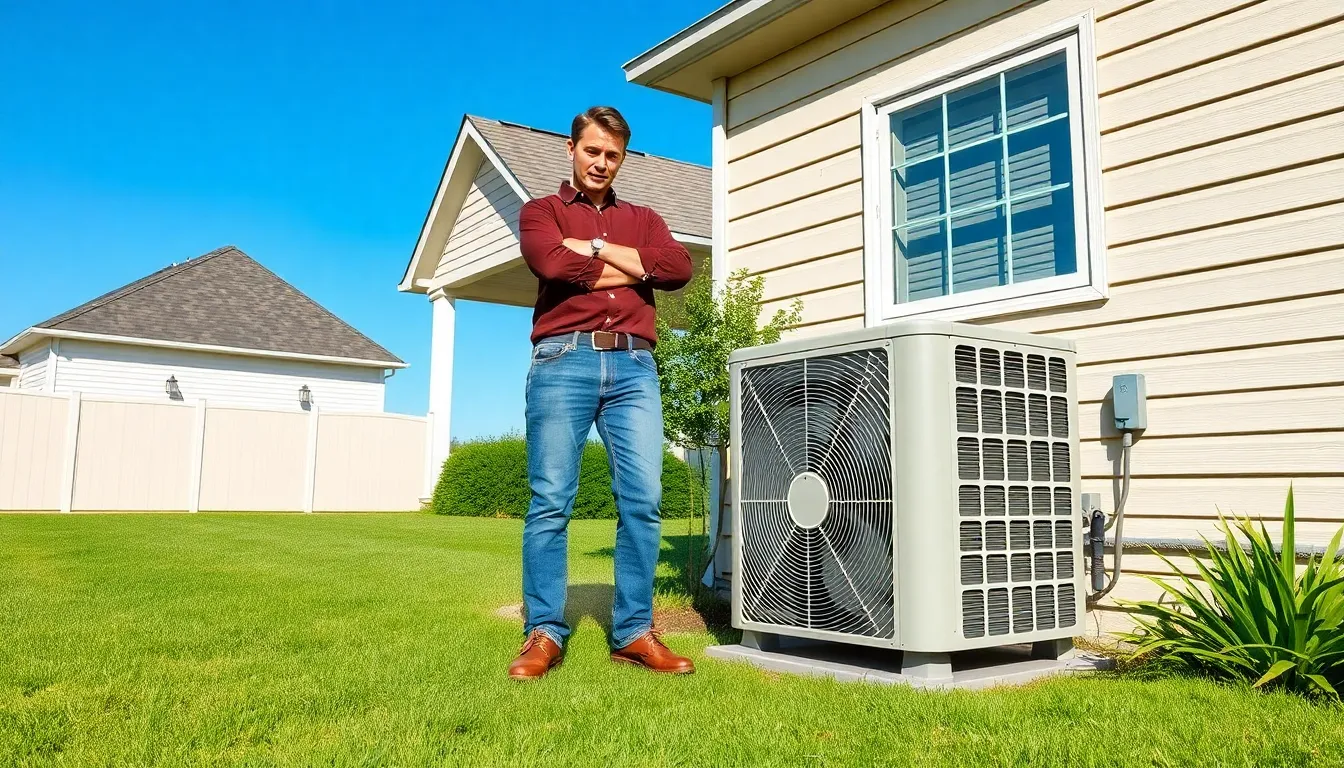
When the summer heat hits or winter chills creep in, a functioning HVAC system becomes a household hero. But what happens when that trusty air conditioner or furnace decides to throw in the towel? Homeowners often wonder if their insurance policies have their backs. Spoiler alert: the answer isn’t always a straightforward yes or no.
Does Home Insurance Cover HVAC
Home insurance provides financial protection against various risks, including damage to the home and its contents. Each policy differs, so homeowners must understand what their coverage entails.
Types of Coverage
Homeowners insurance typically includes several types of coverage. Dwelling coverage protects the physical structure of the home. Personal property maintenance addresses the loss or damage to personal belongings inside the home. Liability coverage offers protection against third-party injuries or damages incurred on the property. Additional living expenses coverage provides funds for temporary living arrangements if the home becomes uninhabitable. Homeowners should review their policy to ascertain if HVAC systems specifically fall into any of these categories.
Key Considerations
Consider the terms and conditions of each policy carefully. Some homeowners’ insurance policies cover HVAC systems under dwelling coverage, while others may not. Evaluate the policy for exclusions, such as mechanical failures or wear and tear, which usually aren’t covered. Reviewing past claims can also help homeowners understand common exclusions. Additionally, some insurers offer add-on endorsements for HVAC systems, providing extra coverage for repairs or replacements. Each homeowner’s needs may vary, making it essential to customize coverage for home and HVAC system protection.
HVAC Systems Overview
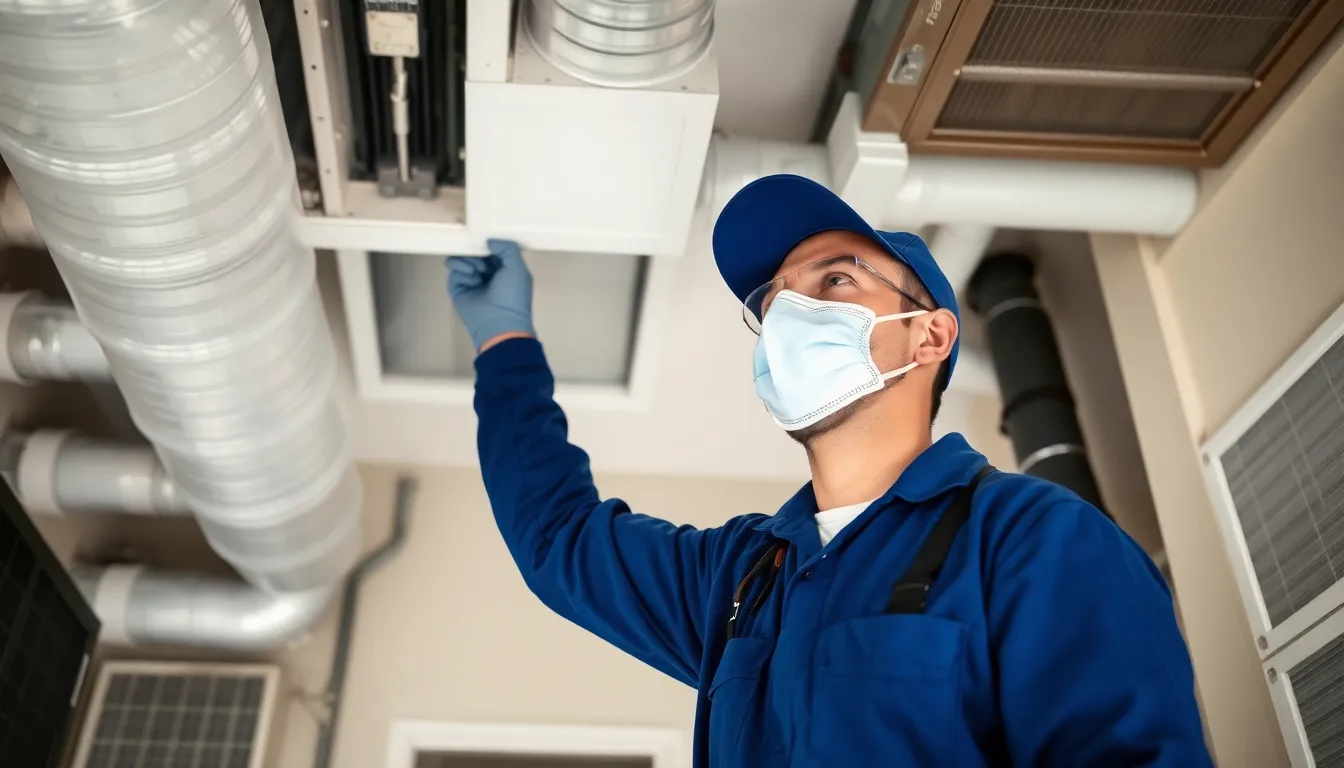
HVAC systems play a crucial role in maintaining indoor comfort by regulating temperature and air quality. Understanding these systems helps homeowners assess their insurance needs better.
Common Types of HVAC Systems
Central air conditioning units, heat pumps, and ductless mini-splits are typical HVAC systems found in homes. Central air conditioning provides efficient cooling for larger spaces by utilizing ducts. Heat pumps both heat and cool, making them versatile for different climates. Ductless mini-splits offer flexibility by allowing independent temperature control for individual rooms. Each type comes with unique benefits that can impact energy efficiency and overall performance.
Importance of HVAC Maintenance
Regular HVAC maintenance enhances system lifespan and efficiency. Routine checks help identify issues early, preventing costly repairs later. Maintaining filters ensures optimal airflow and improves indoor air quality. Seasonal servicing often includes checking refrigerant levels and inspecting electrical components to avoid breakdowns. Homeowners gain peace of mind by investing in maintenance, knowing their systems operate smoothly under varying weather conditions.
Home Insurance and HVAC Coverage
Homeowners often seek clarity on whether their home insurance policies include HVAC system coverage. Understanding the specifics of a policy can lead to better protection and peace of mind.
What Typical Policies Include
Homeowners insurance typically covers various risks, including dwelling coverage, which often protects the structure of the home and attached systems like HVAC units. Policies commonly include personal property coverage to safeguard belongings against theft or damage. Liability coverage addresses legal claims stemming from injuries on the property. Though standard policies might offer some HVAC protection, it varies significantly. Some homeowners may discover their policies explicitly exclude HVAC-related issues. Reviewing the policy for coverage limits and exclusions is vital for understanding what is specifically included.
Situations Where Coverage Applies
Coverage for HVAC systems generally applies under specific scenarios, such as accidental damage or severe weather events. For instance, if a windstorm damages the HVAC unit, standard homeowners insurance may cover the repair costs. Homeowners should note that wear and tear over time typically isn’t covered. Specific incidents like fire or vandalism may also activate coverage for HVAC damage. Policyholders often find that additional endorsements tailored for HVAC protection enhance coverage, offering greater security in various situations.
Limitations of Coverage
Homeowners must understand the limitations of their insurance coverage regarding HVAC systems. Policies vary widely, and some might contain specific exclusions that affect coverage.
Exclusions and Exceptions
Policies often exclude damages resulting from wear and tear. Regular maintenance failures usually lead to denied claims. Additionally, some policies impose exclusions for damage caused by flooding or poor installation. Homeowners should verify whether their policy covers accidental damage or mechanical failure. Understanding these limitations ensures homeowners are aware of potential gaps in their coverage.
Factors Affecting Coverage
Coverage for HVAC systems can depend on several factors. The age of the HVAC unit often influences coverage eligibility. Older systems may face stricter limitations. Geographic location plays a role as well; certain areas might necessitate additional endorsements. The specific terms outlined in the policy dictate how HVAC coverage applies. Homeowners should assess their individual needs and consult their insurance agent to clarify any uncertainties.
Alternatives for HVAC Protection
Homeowners exploring HVAC protection have a few viable options, beyond relying solely on home insurance.
Home Warranty Options
Home warranties cover repair or replacement of home systems, including HVAC units. These warranties typically provide peace of mind for homeowners concerned about expensive repairs. Customers often pay an annual fee and a service call fee when service is needed. Coverage varies among providers, so homeowners should review terms carefully. Many plans encompass major components like compressors and heat exchangers, while exclusions may apply based on age or pre-existing conditions. This type of warranty can significantly reduce out-of-pocket costs for HVAC maintenance.
Specialized HVAC Insurance
Specialized HVAC insurance provides tailored coverage specifically for heating and cooling systems. This insurance can supplement standard homeowners policies or home warranties. Coverage often includes repairs from breakdowns, accidental damage, and even system replacement if necessary. Premiums depend on the HVAC system’s type and age. Homeowners should seek out reputable insurers to compare options. With specialized insurance in place, individuals enjoy enhanced protection and greater financial security regarding their HVAC needs.
Conclusion
Understanding whether home insurance covers HVAC systems is essential for homeowners. Coverage can vary significantly between policies and often depends on specific circumstances. Homeowners should carefully review their policies to identify any exclusions or limitations related to HVAC systems. Regular maintenance and timely inspections can help prevent issues that might lead to denied claims.
For those seeking additional protection, exploring endorsements or specialized HVAC insurance can provide peace of mind. By taking these steps, homeowners can ensure they have the right coverage in place to protect their HVAC systems and maintain comfort in their homes.