

When it comes to mobile homes, skirting often gets the short end of the stick. But let’s face it—no one wants their home to look like it’s wearing a tattered old blanket. Enter wood skirting: the stylish solution that not only enhances curb appeal but also protects your home from critters and the elements. Who knew that a little wood could go a long way in transforming that undercarriage from drab to fab?
Mobile Home Wood Skirting Ideas
Wood skirting offers diverse options for enhancing the aesthetics and functionality of mobile homes. Popular choices include treated lumber, cedar, and plywood, each bringing unique benefits. Treated lumber provides durability against moisture and pests, making it a practical choice for long-term use. Cedar offers a natural resistance to insects and decay, adding a pleasant fragrance and appealing color to the home’s exterior.
Customization plays a vital role in personalizing skirting designs. Homeowners can choose between vertical and horizontal planks, allowing for various visual effects. Staining or painting wood skirting expands options, matching colors with the mobile home’s exterior and landscaping. Decorative elements such as lattice or carved panels elevate the overall design while maintaining adequate ventilation.
Cost considerations can influence the selection of materials. Budget-conscious homeowners might opt for plywood, which is more affordable but requires proper sealing to prevent rot. More premium options like cedar may involve higher upfront costs but can lead to savings over time due to their longevity.
Installation methods vary depending on the chosen wood type and design. Some homeowners prefer to attach skirting directly to the mobile home’s frame, while others might use a freestanding approach for easy access to plumbing and utilities. DIY installations can save money but require careful planning and measurement.
Maintenance remains essential for extending the life of wood skirting. Regular inspections for damage, followed by timely repairs, help prevent larger issues. Additionally, periodic staining or sealing preserves the wood’s appearance and structural integrity, ensuring the investment pays off in the long run.
With thoughtful selections and care, wood skirting transforms mobile homes into visually appealing dwellings that reflect personal style.
Benefits of Using Wood Skirting
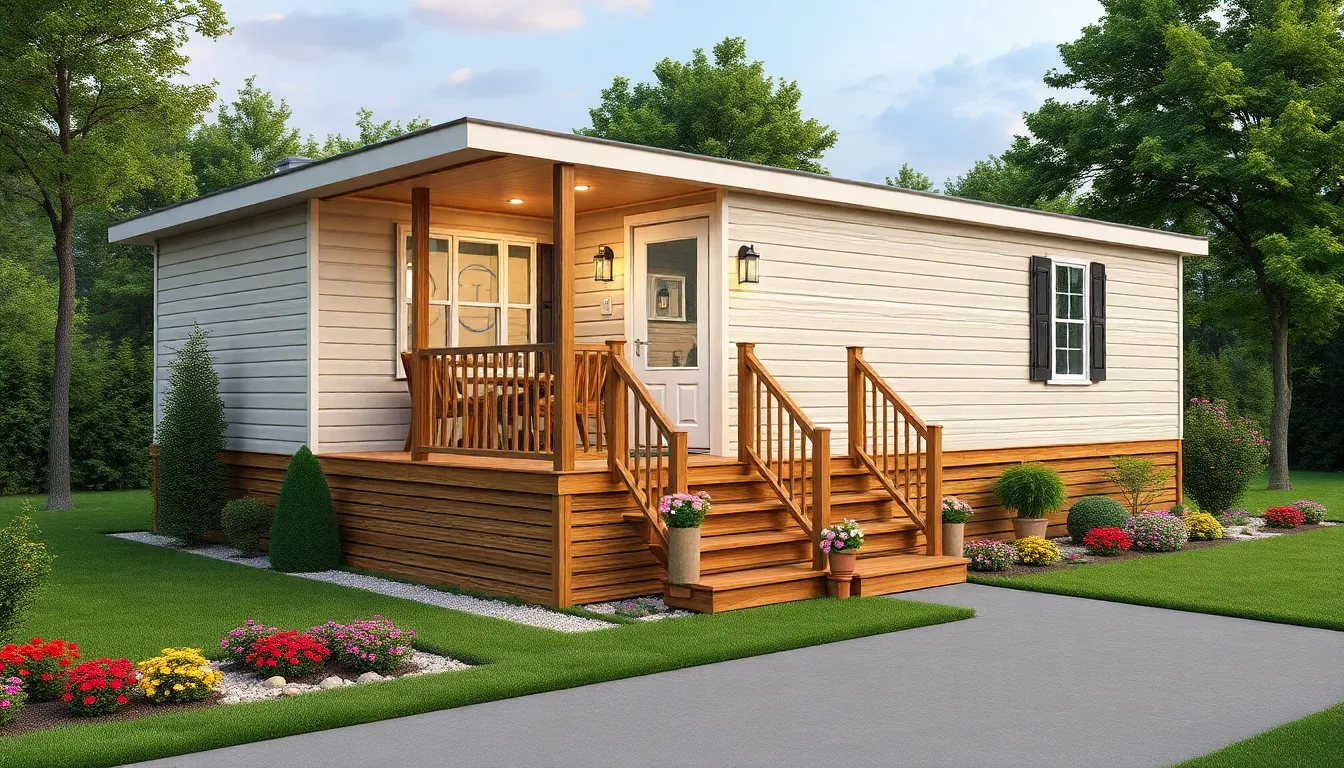
Wood skirting offers several advantages that enhance both functionality and appearance. Homeowners recognize its potential to elevate a mobile home’s visual charm while providing essential protection.
Aesthetic Appeal
Wood skirting adds a natural elegance to mobile homes. Naturally appealing finishes complement various architectural styles. Customization options allow for personalized designs, including vertical or horizontal planks. Staining or painting wood skirting can create a seamless match with the home’s exterior. Unique textures and colors available in wood types like cedar and treated lumber provide diverse choices. Adding decorative trim further enhances the overall look. A well-installed wood skirt transforms the home into a stylish retreat.
Durability and Maintenance
Durability stands out among wood skirting’s advantages. Treated lumber resists moisture and pests effectively, ensuring longevity. Cedar, with its inbuilt decay resistance, requires less frequent replacement. Maintenance tasks involve periodic inspections for damage or wear. Timely repairs help maintain skirting’s structural integrity and aesthetic. Homeowners appreciate the benefits of proactively checking for warping or peeling. Regular cleaning keeps wood skirting looking fresh and vibrant, minimizing upkeep in the long run. Choosing durable wood types leads to a wise investment that pays off with extended wear.
Types of Wood for Skirting
Selecting the right wood for skirting can enhance aesthetics and functionality. Various options exist, each providing distinct advantages.
Treated Lumber
Treated lumber stands out for its robustness in moisture-prone environments. Manufacturers infuse chemicals into the wood to improve resistance against decay and insect infestations. Many opt for this material when durability and longevity are primary concerns. Installation often proves straightforward, allowing for quick updates to mobile home exteriors. Regular maintenance enhances the lifespan of treated lumber, ensuring it continues to look fresh. It serves as a reliable choice for those who value function alongside style.
Cedar and Redwood Options
Cedar and redwood offer a natural beauty that appeals to many homeowners. The aromatic qualities of cedar create a pleasant environment while providing inherent insect and decay resistance. Redwood, often praised for its rich color and grain, requires minimal maintenance compared to other wood types. Both options allow for various finishes, enabling personalization based on individual taste. These woods may come with a higher initial investment, yet their durability justifies the expense. Choosing cedar or redwood can significantly elevate the visual appeal of mobile home skirting.
Creative Design Ideas for Mobile Home Wood Skirting
Wood skirting for mobile homes offers a variety of creative design possibilities. Homeowners can choose finishes that showcase their personal style while also providing practical benefits.
Natural Finish vs. Painted Skirting
Natural finishes exhibit the wood’s innate beauty, highlighting grain patterns and textures. Cedar and redwood, noted for their stunning appearances, shine in their organic state. Maintaining the natural finish requires periodic treatment with sealants for protection. Conversely, painted skirting allows for vibrant colors and bold statements, matching the home’s exterior effortlessly. Durability improves with quality exterior paint, resisting weathering. Homeowners aiming for a cohesive look can coordinate skirting with other features like doors or shutters, enhancing overall aesthetics.
Incorporating Texture and Patterns
Textured skirting adds depth and character, transforming the bland into the visually appealing. Options include vertical and horizontal plank arrangements, each offering distinct styles. Shiplap patterns create a modern farmhouse vibe while traditional board-and-batten styles enhance rustic charm. Further customization can arise from using mixed materials, such as incorporating decorative lattice or metal accents, which enriches visual interest. Homeowners often prefer a combination of patterns and textures to achieve a unique flair that stands out in their community.
Installation Tips for Wood Skirting
Installing wood skirting requires careful planning and the right tools. Following specific steps ensures a successful installation while enhancing the overall look of a mobile home.
Tools and Materials Needed
Gather essential tools and materials beforehand. A measuring tape supports accurate dimensions, while a level guarantees the skirting’s alignment. Use a circular saw for cutting wood to size, and a drill helps with fastening pieces together. Having screws and wood glue offers superior stability.
Selecting the appropriate wood type adds durability and aesthetic appeal. Treated lumber, cedar, or plywood each provide unique qualities. Finish the project off with a weather-resistant sealant to protect against moisture.
Step-by-Step Installation Guide
Begin by measuring the area around the mobile home for precise dimensions. Cut wood to the required sizes, ensuring neat edges. Mark locations for support posts and install them firmly, maintaining a level surface. Next, attach the wood panels to these supports, ensuring a tight fit.
Consider painting or staining before installation for a polished appearance. Regularly check for misalignment during the process. Finally, seal joints with caulk to prevent moisture intrusion. Taking these steps results in a durable and visually appealing wood skirting.
Conclusion
Choosing wood skirting for a mobile home offers a blend of style and practicality. With various options available homeowners can select materials that suit their aesthetic and functional needs. Whether opting for treated lumber’s durability or cedar’s natural beauty each choice enhances the home’s exterior while providing essential protection.
Creative design ideas allow for personalization making it easy to reflect one’s unique style. Regular maintenance ensures that the skirting remains in top condition contributing to the home’s overall appeal. By investing in quality wood skirting and following proper installation techniques homeowners can achieve a beautiful and lasting upgrade to their mobile homes.