
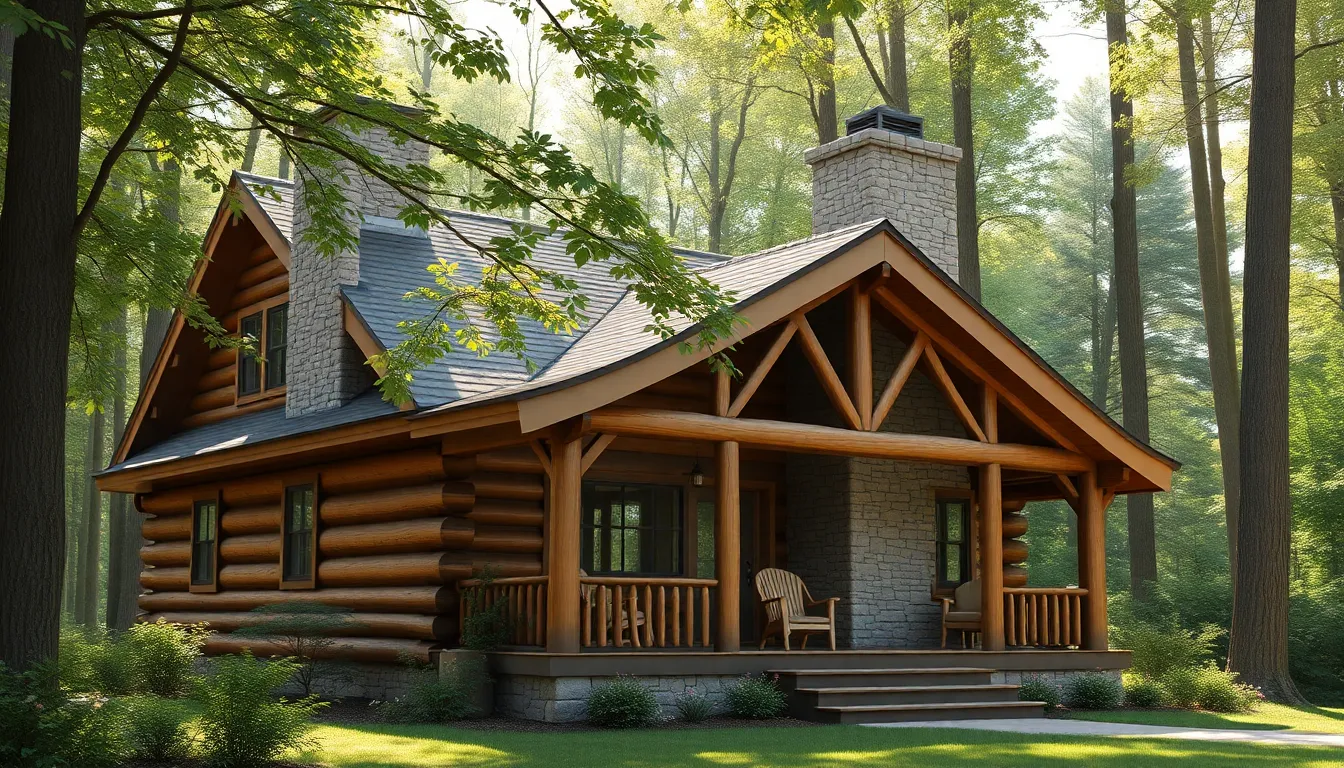
Log homes have a charm that’s hard to resist. With their rustic appeal and cozy vibes, they’re like a warm hug on a chilly day. But before you kick back and enjoy the crackling fire, there’s one important detail that can’t be overlooked: log home insurance.
Log Home Insurance
Log home insurance provides protection specifically for homes constructed from logs. This insurance type covers various risks such as fire, theft, and natural disasters. Coverage typically includes the structure itself, personal belongings, and liability against injuries that occur on the property.
Many standard homeowners’ insurance policies may not adequately cover log homes due to their unique construction. Log homes often require specialized coverage that addresses specific concerns, like mold growth and termite damage. Insurers evaluate the quality of the logs and assess the home’s risks to determine policy rates.
Factors influencing log home insurance rates include location, condition, and square footage. Homeowners in areas prone to extreme weather may face higher premiums. Insurers may also consider the materials used for construction and the home’s overall maintenance.
Liability coverage is crucial with log homes, given their often secluded locations. This coverage protects against legal and medical expenses if someone gets injured on the property. Additionally, personal property coverage ensures that a homeowner’s belongings, such as furniture and electronics, receive protection in cases of loss or damage.
Reviewing policy options and endorsements helps homeowners tailor their log home insurance to meet specific needs. Each policy may contain various exclusions, necessitating a thorough understanding of coverage limits. Seeking advice from an insurance expert familiar with log home specifics often aids in making informed decisions.
Importance of Log Home Insurance
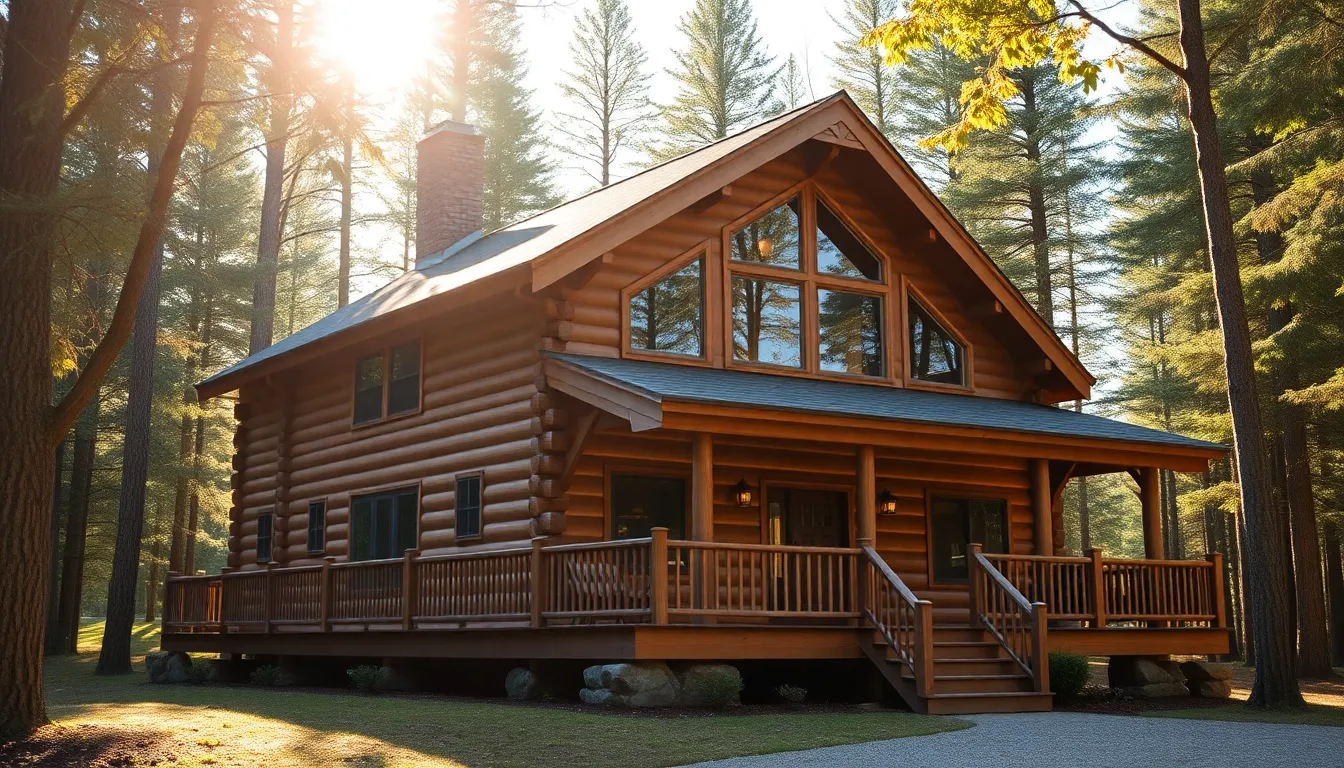
Log home insurance plays a vital role in safeguarding these unique properties. Protection against a variety of risks allows homeowners to enjoy their log homes with peace of mind.
Protecting Your Investment
Investing in a log home represents a significant financial commitment. It is essential to secure insurance that covers potential damages, from fire to windstorms. Without appropriate coverage, the financial burden from an unforeseen disaster can be overwhelming. Log home insurance offers comprehensive protection for the structure and personal belongings, reducing risk exposure. Reliable coverage not only protects invested capital but also preserves the home’s value over time. Homeowners can enjoy their investment without the constant worry of losing it to unexpected events.
Coverage for Unique Features
Log homes often boast distinctive architectural elements that enhance their charm. Special features like exposed logs, large decks, and intricate woodwork require specific coverage. Standard homeowners’ insurance may not account for the unique risks associated with these elements. Coverage for damages caused by mold, termites, or other issues common to log homes is crucial. Homeowners should ensure their policies encompass these unique aspects to avoid potential gaps in protection. Tailoring coverage to fit the specific features of a log home ensures that all valuable elements receive necessary protection.
Types of Log Home Insurance Policies
Log homes require specific insurance policies to ensure adequate protection. Understanding these different types helps homeowners make informed decisions.
Standard Homeowners Insurance
Standard homeowners insurance typically offers coverage for many properties. Unfortunately, log homes often do not receive full protection under these policies. Basic coverage may exclude unique risks associated with log structures, such as mold, termite damage or the challenges of log maintenance. Homeowners need to carefully review policy limits and exclusions. While this insurance covers general risks such as fires and theft, it may not account for the specific needs related to the log construction. Always compare coverage options to ensure there’s enough protection for unique home attributes.
Specialized Log Home Policies
Specialized log home policies cater specifically to the needs of log home owners. These policies usually provide broader coverage against risks like water damage, rot, and pest damage, which affect wooden structures. A specialized policy often addresses unique architectural features, such as exposed logs and intricate woodwork. Insurers may offer additional endorsements for extended coverage, including liability protection for injuries on the property. Tailoring these policies to fit the homeowner’s needs enhances peace of mind. By consulting with an insurance expert on log home specifics, owners will identify the right policy for their unique requirements.
Factors Affecting Log Home Insurance Premiums
Several elements influence log home insurance premiums. These factors include location, environmental conditions, and unique home characteristics.
Location and Environment
Geographic location plays a crucial role in determining insurance rates. Homes situated in regions prone to natural disasters, such as floods or wildfires, often incur higher premiums. Urban areas may also present increased risks due to crime rates, requiring additional coverage. Climate-related factors, like extreme weather conditions, add to the complexity of insurance assessments. The presence of local fire departments and response times further impacts rates; quicker response can lower premiums.
Home Characteristics
Features specific to log homes directly affect insurance costs. Construction material, such as the type and treatment of logs, influences vulnerability to pests or decay, impacting policy coverage. Square footage and layout also play roles; larger homes often incur higher premiums. Architectural elements like exposed wood and intricate designs may require specialized coverage. Unique characteristics, such as the presence of a deck or fireplace, can add liability risks, which raise insurance rates as well. Each factor contributes to a comprehensive assessment of the policy needed for adequate protection.
Tips for Choosing the Right Log Home Insurance
Choosing the right log home insurance requires careful evaluation of specific needs and comparison among available options.
Assessing Your Coverage Needs
Determine what coverage fits your log home. Start by identifying risks specific to log structures such as mold or pest damage. Evaluate the value of personal belongings and any unique architectural features needing protection. Consider factors like the home’s location and exposure to natural disasters, which influence coverage demands. Review policy limits and ensure protection extends to liabilities that might arise on the property. Securing adequate coverage helps mitigate potential financial burdens from unforeseen events while safeguarding the property investment.
Comparing Quotes from Insurers
Collect quotes from multiple insurers for a clear understanding of coverage options. Inquire about specialized policies focused on log homes, as these usually offer tailored coverage beyond standard homeowners insurance. Examine the details of each policy, focusing on limits, exclusions, and any available endorsements. Ensure the chosen insurer has experience with log homes and can address unique coverage needs comprehensively. This step allows homeowners to secure the best policy at a competitive rate while ensuring peace of mind.
Conclusion
Securing log home insurance is essential for protecting the unique features and value of these charming properties. Homeowners should prioritize finding a policy tailored to their specific needs to ensure comprehensive coverage against potential risks. By carefully evaluating options and consulting with insurance experts, they can navigate the complexities of log home insurance effectively. This proactive approach not only safeguards their investment but also provides peace of mind, allowing them to fully enjoy their log home experience without the worry of unforeseen financial burdens.