

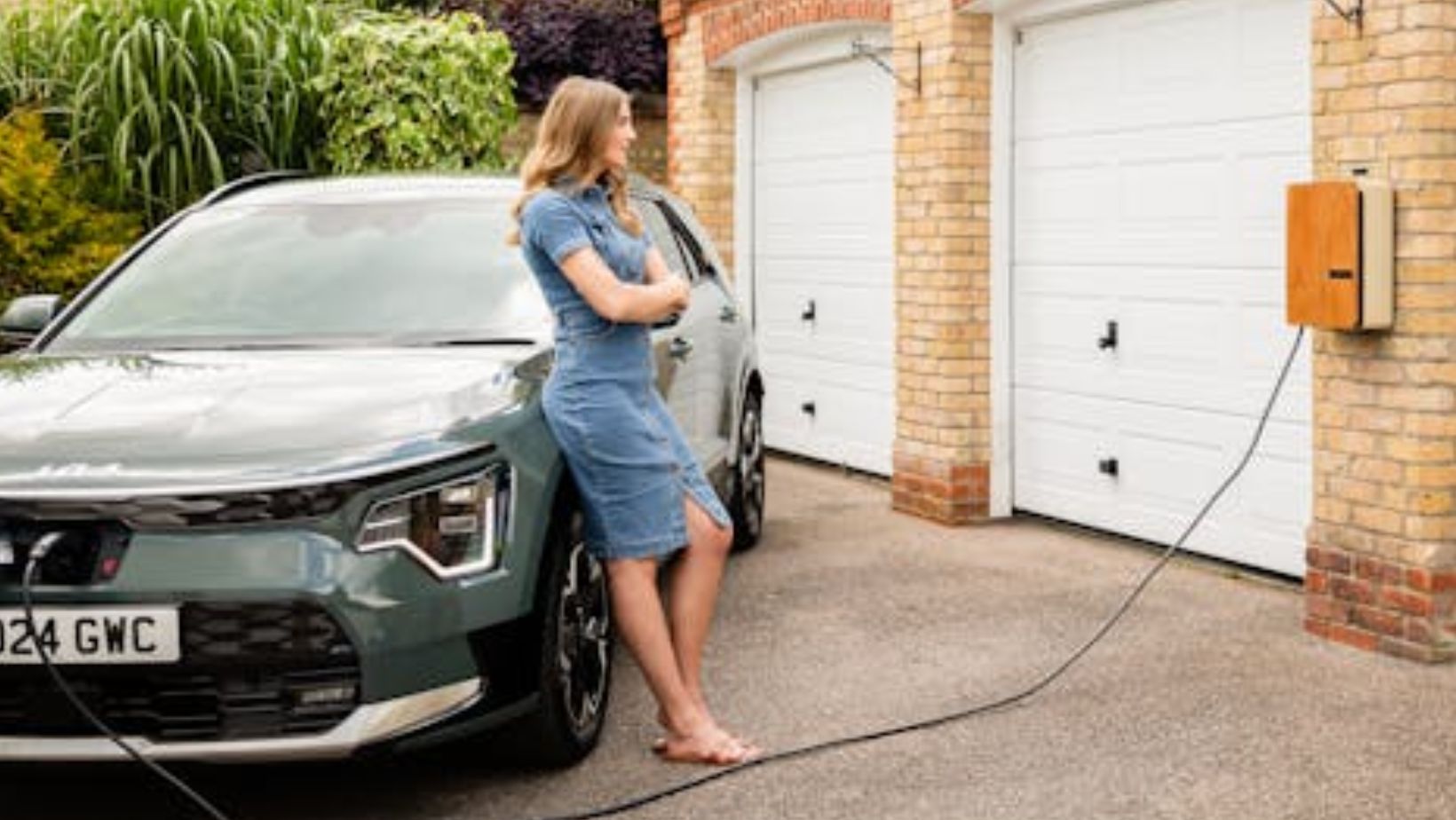
A few years ago, having a charger in your garage was a nice little bonus. Today, Bay Area homebuyers are starting to treat it more like a dealbreaker. Here’s why that shift is happening and what it means for sellers.
How EVs Took Over Bay Area Streets
Drive through any Bay Area neighborhood: Fremont, San Jose, Oakland, Palo Alto, and you’ll notice something. Driveways are full of Teslas, Rivians, and Chevy Bolts. Electric vehicles aren’t a niche thing here anymore. They’ve gone mainstream, and fast.
A lot of that has to do with the mindset of people who live here. Bay Area residents tend to care about the environment, tech, and long-term savings. EVs check all those boxes. Combine that with the state pushing hard for cleaner transportation, and it’s no surprise that EV ownership rates in California are among the highest in the country.
When more people own EVs, more people need a reliable place to charge them. And that’s where the home, specifically the garage, comes into the picture.
Why Home Charging Matters More Than You Think
Public charging stations exist, sure. You can find them at grocery stores, shopping centers, and along highways. At John Buys Bay Area Houses, they’ve noticed that buyers with EVs aren’t just curious about chargers. They’re asking about it upfront, right alongside questions about school districts and square footage.
Home charging is simply more convenient. You plug in at night, wake up with a full battery, and never have to think about it. No waiting in line at a station. No detours on your commute. It’s the kind of quiet convenience that, once you have it, you really don’t want to give up.
For EV owners shopping for a home, a garage without a charger means one of two things: either they’ll have to install one themselves after buying, or they’ll deal with the hassle of public charging indefinitely. Neither option sounds great when you’re already spending a lot on a Bay Area home.
What Buyers Are Actually Looking For
Not every EV charger is the same, and informed buyers know the difference. When someone walks through a home and sees a garage setup, they’re quietly checking a few things:
- Is there already a Level 2 charger installed (the faster, 240-volt type)?
- If not, is the electrical panel large enough to support one?
- Is there a dedicated 240-volt outlet already in place?
- How accessible is the garage from the main living areas?
- Is there enough clearance and cable length to charge multiple vehicles?
A home that already has a Level 2 charger installed signals that the seller understood what modern buyers want. It removes a step from the buyer’s to-do list, which can be a small but meaningful edge in a competitive market.
What Sellers Should Know Right Now
If you’re thinking about selling your Bay Area home and you don’t have an EV charger in the garage, it’s worth at least considering whether adding one makes sense. It doesn’t have to be a huge project.
A licensed electrician can install a Level 2 charger in a day, assuming your panel can handle the load. Costs vary, so getting a quote is the first step. In many cases, the investment is modest compared to what it does for your listing. It makes your home show better, signals a move-in-ready feeling, and speaks directly to a large and growing pool of buyers.
That said, not every seller needs to run out and install one tomorrow. If your garage already has a 240-volt outlet, even without a charger attached. That’s still a strong selling point you can highlight. Buyers with EVs know what to look for, and they’ll appreciate that the infrastructure is already in place.
| Even a simple 240V outlet in the garage can signal to EV buyers that your home is ready for them without the full cost of a charger installation. |
How This Fits Into the Bigger Picture of Bay Area Real Estate
Bay Area real estate has always moved fast and rewarded homes that feel future-ready. Solar panels, smart home tech, energy-efficient appliances. These features haven’t just been nice to have for a while now. They’ve become part of what makes a home feel complete in this market.
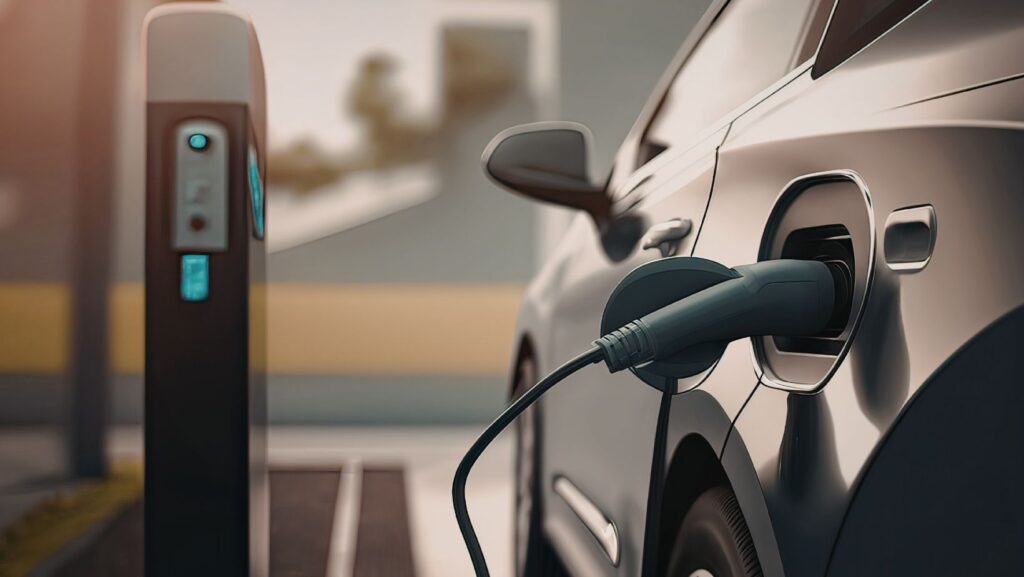
EV charging is following that same path. It’s moving from a luxury add-on to an expected feature, especially in suburbs and neighborhoods where EV ownership is highest. When a large portion of your buyer pool drives an electric vehicle, having a charger or at least charger-ready infrastructure is no longer optional in the way it once was.
Buyers here are savvy. They know what they want, they’ve done their research, and they’re comparing your home against others on the market. A garage that’s EV-ready stands out. A garage that’s not might quietly push a buyer toward another listing.
Practical Steps Worth Taking Before You List
Whether you’re selling soon or just thinking ahead, there are a few simple things you can do to make sure your garage is EV-friendly:
- Check your electrical panel’s capacity; a 200-amp panel is usually sufficient for a Level 2 charger.
- Get a quote from a licensed electrician for a charger installation or 240V outlet addition.
- Look into any available California rebates or utility incentives for home EV charger installation.
- Mention any EV-related upgrades in your listing description and highlight them during showings.
- If you already have a charger, photograph it and include it in your listing photos.
Small details like these can shift how a buyer feels about your home. It’s less about the dollar value of the charger and more about what it communicates: that the home was cared for and kept current.
So, Is It a Must-Have?
Here’s the honest answer: it depends on your buyer. If your home is in a neighborhood where EV ownership is high, think Silicon Valley suburbs, parts of the East Bay, Marin, then yes, it’s quickly becoming a must-have or at least a strong expectation. If your buyer pool skews older or the neighborhood has lower EV adoption, it might still be a nice bonus rather than a requirement.
What’s clear, though, is that the trend is moving in one direction. EV adoption in the Bay Area isn’t slowing down. Each year, more buyers will show up to open houses with a charger on their checklist. Getting ahead of that now, whether through a full installation or just making sure your electrical setup is ready, is a smart move for any homeowner in the region.
FAQs
1. Is an EV charger in the garage really becoming a must-have for Bay Area buyers?
Yes, in many areas it’s quickly shifting from a “nice bonus” to an expectation. With high EV ownership across cities like San Jose, Fremont, and Palo Alto, many buyers now assume a home will either have a Level 2 charger or at least be EV-ready. Homes without any charging setup may still sell, but they can feel less competitive compared to similar listings that already have it.
2. How much value does a garage EV charger add to a home?
An EV charger doesn’t usually add a fixed dollar amount like square footage does, but it improves buyer perception and marketability. In competitive Bay Area neighborhoods, it can help a home stand out, reduce buyer hesitation, and support faster offers. The real value often comes from convenience and “move-in ready” appeal rather than a direct price increase.
3. What do buyers actually check for in an EV-ready garage?
Buyers typically look for a Level 2 charger (240-volt), or at least a 240-volt outlet that can support one. They may also check electrical panel capacity, garage accessibility, and whether wiring upgrades are needed. A properly set up garage signals lower future costs for the buyer, which can make the home more attractive.