
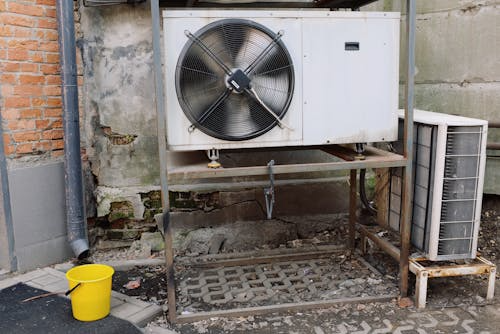
When a buyer walks into a Baltimore home and discovers the HVAC system is 15 to 20 years old, their brain instantly switches into calculation mode. They start thinking about replacement costs, possible breakdowns, and whether the asking price still makes sense. It is one of those issues that can quietly stall a deal or push a buyer toward the exit.
Most buyers do not walk away on the spot. They pause, ask questions, and want to know when the system was last serviced and how it is running. An older unit does not automatically mean a bad investment, and experienced buyers understand that. What really shapes the outcome is how the seller handles that conversation from the start.
Why Baltimore’s Climate Puts HVAC at the Top of Every Buyer’s List
Baltimore sits in a mid-Atlantic zone where summers get genuinely hot and humid, while winters can push hard into freezing territory. That means an HVAC system works overtime here all year long. It is a completely different situation from selling a home in a mild climate where heating and cooling are barely an afterthought.
Because of this climate reality, Baltimore buyers place far more weight on HVAC condition than buyers in softer markets might. A system struggling to keep up during a July inspection visit sends a loud signal. Even when everything else about the home looks great, that one struggling unit becomes the headline. Sellers who understand this going in have a real advantage when it comes to pricing, disclosure, and negotiating.
Age vs. Condition: Two Things Buyers Treat Very Differently
A 17-year-old HVAC system that has been regularly serviced and tuned up each year can still perform well. A 10-year-old system that was never maintained could already be on its last legs. Buyers and inspectors look at both factors, and sellers who understand this distinction can use it to their advantage.
Here is what buyers and inspectors typically check when evaluating an older HVAC system:
- Manufacture date printed on the unit itself
- Maintenance records showing annual service visits and tune-ups
- Airflow and temperature output were tested during the inspection walkthrough
- Refrigerant levels to check for slow leaks or loss of cooling capacity
- Ductwork condition for signs of leaks, damage, or poor insulation
- Filter and coil cleanliness is a basic sign of how the system was cared for
- Thermostat responsiveness to confirm the system cycles on and off properly
If you can produce paperwork showing consistent annual servicing, that documentation goes a long way toward calming a buyer’s concerns. If there are no maintenance records at all, buyers will assume the worst and negotiate accordingly.
What Actually Happens at the Negotiation Table
When an old HVAC comes up during inspection, buyers usually have a few paths they can take. Most choose negotiation over walking away because they have already invested time and emotion into the home. A typical HVAC replacement in Baltimore runs somewhere between $5,000 and $12,000, depending on home size and system type.
Buyers often ask for credits in that range. Sellers push back with a smaller number, citing that the system still functions. The deal usually lands somewhere in the middle. Sellers who go in knowing this range ahead of time are far better positioned to negotiate calmly instead of reacting with surprise.
Working with Houses For Cash Baltimore is one way to skip this negotiation cycle entirely. Cash buyers purchase homes as-is, which means the HVAC age stops being a deal point altogether.
Should You Replace It Before Listing
Some sellers consider swapping out the HVAC before they list the home. Buyers genuinely love seeing new HVAC in a listing description because it signals the home has been cared for and removes a major near-term expense from their mind. It can help you hold firm on the asking price and attract more serious offers faster.
That said, you may not recover the full replacement cost in your final sale price. Real estate markets rarely reward sellers dollar-for-dollar on improvements. If your home is already priced near the top of its range, a new HVAC is more likely to help it sell faster than to push the number significantly higher. Running the math on your specific situation before making that call is worth the time.
Pricing Honestly Saves Everyone Time
If you decide to sell without replacing or repairing the HVAC, honest pricing from day one is the cleanest strategy available to you. Price the home slightly below comparable listings to reflect the known issue. Buyers and their agents will notice, and it signals good faith right away.
Trying to list high and then negotiate down under pressure tends to backfire. Buyers feel misled, tension builds, and what could have been a smooth transaction turns into a prolonged headache. Transparent pricing paired with clear disclosure about the HVAC age actually keeps more deals intact than most sellers expect.
Buyers respect honesty, and in a competitive market like Baltimore, that trust can be the difference between a clean closing and a deal that falls apart at the finish line.
FAQs
1. Will an old HVAC system scare away Baltimore buyers completely?
Not usually. Most buyers won’t walk away right away. Instead, they factor the age into their offer and use it as a negotiation point. As long as the system is still working, it’s more likely to impact price than kill the deal.
2. How much do buyers typically ask for when negotiating HVAC issues?
In many cases, buyers request a credit based on estimated replacement costs, often between $5,000 and $12,000. The final agreement usually lands somewhere in the middle, depending on the system’s condition and the overall home value.
3. Is it better to replace the HVAC before listing the home?
It depends on your goals. A new HVAC can make your home more attractive and help it sell faster. However, you may not recover the full cost in the sale price. If your budget is tight, pricing the home accordingly can be just as effective.
4. Can Houses For Cash Baltimore buy my home with an old HVAC system?
Yes. Houses For Cash Baltimore buys homes as-is, including properties with aging or non-functioning HVAC systems. You won’t need to repair or replace anything, and you can avoid negotiations over system condition entirely.