
If you are trying to sell a home in Las Vegas, you already know the market moves fast. Buyers are sharp, summers are brutal, and competition is everywhere. One thing that many sellers overlook and then regret is their HVAC system. It seems like a behind-the-scenes detail, yet it plays a front-and-center role in whether your home sells quickly or sits on the market getting cold (and hot) shoulders.
Your HVAC system is one of the first things serious buyers ask about. In a city where summer temperatures regularly push past 110°F, no one wants to move into a home and immediately worry about air conditioning. This blog breaks down exactly how your heating and cooling system can either push your sale forward or quietly hold it back.
Why Las Vegas Purchasers Put HVAC at the Top of Their List
Most buyers in Las Vegas are not just shopping for square footage and curb appeal. They are calculating what life in that home is going to cost them. An HVAC system that is old, poorly maintained, or undersized for the home sends a loud message. This house comes with problems.
Buyers who work with experienced agents or who have done their homework will ask about the age of the unit during the showing, sometimes before they even look at the kitchen. A system that is over 10 to 15 years old often triggers a request for price reduction or a repair credit. In some cases, it leads buyers to walk away entirely, especially if the home inspection confirms the unit is struggling.
Here is what buyers typically check when evaluating your HVAC:
- Age of the system: Units older than 12–15 years raise immediate red flags in Las Vegas heat
- Brand and model: Some brands have better reputations for longevity in desert climates
- Last service date: A system with no maintenance records looks neglected
- Ductwork condition: Leaky or dirty ducts can mean poor air quality and high energy bills
- Energy efficiency rating (SEER): Higher SEER ratings signal lower monthly cooling costs
If you are not sure where your system stands on any of these, getting a pre-listing HVAC inspection is a smart move before buyers start poking around.
Selling As-Is and What That Really Means for Your HVAC
Some homeowners decide to sell without making any repairs, and that is a perfectly valid choice. If you are going that route, working with buyers who already understand what they are getting into makes the process much smoother. Fast Vegas Home Buyers purchase homes in as-is condition, meaning you do not have to fix or replace anything before closing.
That said, even in an as-is sale, your HVAC condition still affects your offer price. A functioning system, even an older one, gives buyers more confidence. A broken or non-operational system in Las Vegas is almost always reflected in a lower offer, since the buyer is factoring in immediate replacement costs that can run anywhere from $5,000 to $12,000 or more, depending on the size of your home.
Being upfront about the condition of your system is always the better path. Hiding issues or failing to disclose problems can create legal headaches after the sale closes.
Small Maintenance Steps That Make a Real Difference
You do not have to replace your entire HVAC system to make a good impression on buyers. In many cases, a few simple maintenance steps can shift buyer perception from problem house to well-cared-for home.
Here is what you can do before listing:
- Replace air filters: Fresh filters show buyers the system has been maintained
- Clean the condenser coils: Dirty coils reduce efficiency and are easy for inspectors to spot
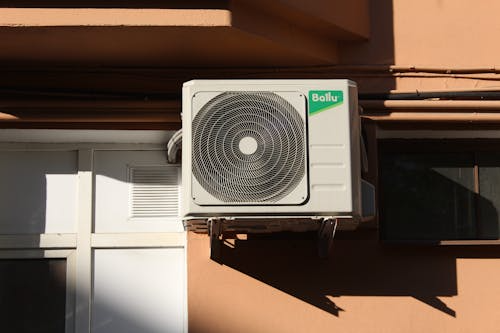
- Clear debris around the outdoor unit: Overgrown plants or debris signal neglect
- Test the thermostat: Make sure the system responds correctly during showings
- Schedule a tune-up: A professional HVAC tune-up typically costs $75–$150 and can add real value to buyer conversations
- Fix any refrigerant leaks: Low refrigerant is a common issue in older systems and is easy to detect during inspection
None of these steps requires a huge investment. A clean, working system with a recent service record gives buyers something to feel good about, and that matters when you are trying to close fast.
How HVAC Age Plays Into Your Listing Price
Pricing a home in Las Vegas without accounting for HVAC age is a mistake that can cost you later. If your unit is newer, say, less than five years old, that is a genuine selling point worth mentioning in your listing description. Buyers know a new system means lower energy bills and no replacement costs for years to come.
On the flip side, if your system is aging, your agent may suggest pricing slightly below comparable homes to account for it or offering a home warranty that covers HVAC repairs. A home warranty plan that includes HVAC coverage typically costs $400–$600 per year and can be a strong incentive for nervous buyers. Pricing your home correctly from the start, with your HVAC situation factored in, prevents the painful back-and-forth of repeated price cuts after the listing goes stale.
“Your HVAC system is not just a mechanical box sitting in your garage or on your roof. In Las Vegas, it is a make-or-break factor for buyers who are thinking long-term. Give it the attention it deserves before you list, and your sale will be smoother, faster, and more profitable.”
FAQs
1. How important is the HVAC system when selling a home in Las Vegas?
The HVAC system is one of the most important factors for buyers in Las Vegas due to the extreme summer heat. A well-maintained, efficient system can speed up a sale, while an old or failing unit can lead to lower offers, repair requests, or even buyers walking away.
2. Should I replace my HVAC system before listing my home?
Not always. If your system is still working well, simple maintenance like a tune-up, cleaning, and replacing filters can be enough to reassure buyers. Full replacement is usually only worth it if the unit is very old, unreliable, or not functioning properly.
3. How does HVAC age affect my home’s price?
HVAC age plays a big role in pricing. Newer systems (under 5 years old) can be a strong selling point and may justify a higher price. Older systems, especially those over 10–15 years, often lead buyers to request price reductions or credits to cover future replacement costs.