

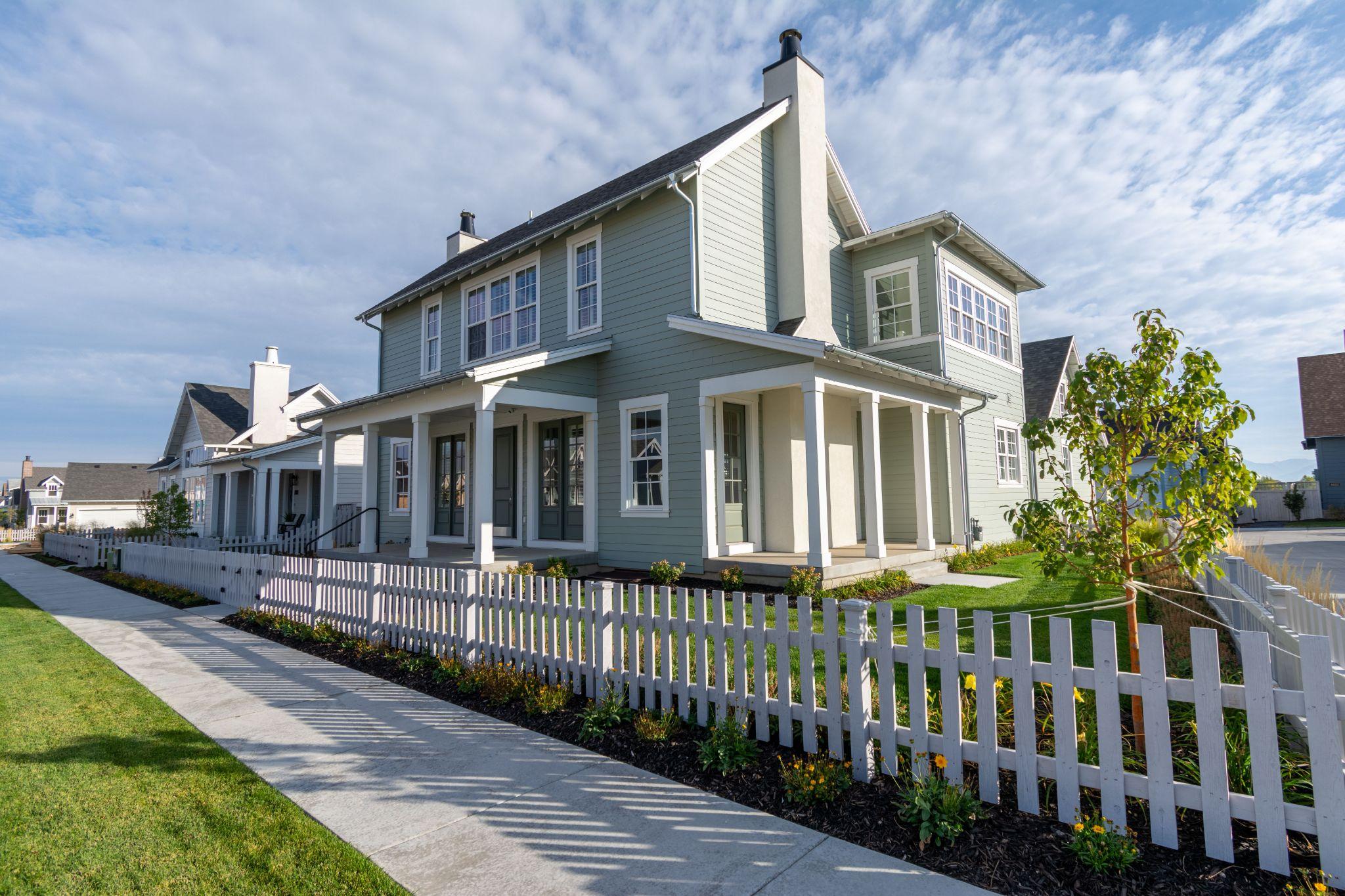
When you think about selling your home, you probably picture fresh paint, a clean kitchen, or tidy landscaping. Few sellers stop to think about the fence. Yet that stretch of wood, vinyl, or metal running around your yard can quietly shape how buyers feel the moment they pull up to your house and how much they are willing to pay.
First Impressions Start at Your Fence Line
Curb appeal is not just about flowers and a freshly mowed lawn. It is everything a buyer sees before they even step through the front door. A fence is one of the first structural elements in that picture. A straight, clean, well-painted fence signals that the property has been cared for. A leaning, broken, or weathered fence sends the opposite message, even if your home itself is in great shape.
Real estate agents often call this the halo effect. When one thing looks neglected outside, buyers start assuming the rest of the property might have hidden problems too. A rough-looking fence plants a seed of doubt before the show even begins. That doubt can turn a motivated buyer into a cautious one, which is not where you want them before negotiations start.
The good news is that the fence is one of the more manageable fixes a seller can make. A pressure wash, a coat of paint or stain, and some basic repairs can change the entire front-yard energy of a property without costing a fortune.
|
+7% Potential added value with quality fencing |
70% Some buyers say curb appeal affects their offer |
$1–3K Typical repair cost vs. much larger buyer credits |
How Buyers Factor in Fence Repairs
Buyers are practical. When they spot a damaged fence during a showing or inspection, they do not simply overlook it. They either ask for a price reduction, request a repair credit, or, in some cases, walk away from the deal entirely if the property feels like too much work. According to Laurel Buys Houses, fencing issues are among the small but visible defects that consistently reduce seller leverage during negotiations.
Repair credits can sting. A fence that might actually cost $800 to fix often gets estimated at $2,000 or more in a buyer’s repair credit request because buyers build in a cushion for the hassle factor. Sellers who handle fence repairs before listing avoid this entirely and protect their negotiating position.
|
A buyer who notices a broken fence at the inspection stage almost always uses it as leverage, even if the fix is minor. Handling it before the listing keeps you in control of the conversation. |
What Different Fence Materials Say to Buyers
Not all fences communicate the same thing. The material matters, and buyers pick up on it, often without realizing it.
- Wood fencing feels warm and traditional. When it is in good condition, it reads as charming and well-maintained. When it is rotting, warped, or missing boards, it signals deferred maintenance.
- Vinyl fencing is low-maintenance and clean-looking. Buyers who see vinyl in good shape appreciate that they will not have to worry about painting or staining it for years.
- Chain-link fencing is very functional and common in certain neighborhoods, though it does not add much visual warmth. Rust or sagging posts will hurt more than help.
- Wrought iron or aluminum fencing can look premium, especially for front yards. Chipped paint or bent sections are obvious and can feel like a maintenance burden.
- Split-rail or farm fencing works well in rural or country-style properties and can help improve the overall outdoor space. It adds character when it is in decent condition, but falls apart visually when it is leaning or broken.
The takeaway for sellers is simple: evaluate your fence through a buyer’s eyes, not an owner’s. You may have stopped noticing that sagging gate long ago. A buyer will see it on day one.
Repairs Worth Making Before You List
If your fence needs attention, the question is which fixes actually move the needle and which ones are overkill. You do not always need a brand-new fence to make a strong impression. Strategic repairs and cosmetic touch-ups often deliver more value per dollar than a full replacement.
Focus on visibility first. The sections of fencing that face the street or greet buyers at the entrance deserve the most attention. A back fence that borders dense trees may need less cosmetic work than the front sections buyers see during a walkthrough.
- Replace broken or missing boards and pickets
- Re-secure any leaning posts or loose sections
- Fix sagging or misaligned gates so they open and close properly
- Sand rough or splintering wood and apply a fresh coat of stain or paint
- Remove rust and repaint metal sections
- Clear vines, weeds, or overgrowth from the fence line
When a Full Fence Replacement Makes Sense
There are situations where repairs are not enough, and putting a new fence in before selling is genuinely worth it. If your current fence is structurally failing across most of its length, patching it will look exactly like what it is: a patch job. Buyers who notice mismatched boards or obvious repairs still see deferred maintenance.
A full replacement also makes sense when your fence is short, ugly, or absent entirely, and you are selling in a market where buyers are paying a premium for privacy. Families with young children or pet owners value fenced yards significantly. In some suburban markets, a quality fence can directly add to the offer price rather than just protecting against deductions.
That said, do not over-invest. A $10,000 custom privacy fence on a home in a neighborhood where comps sit at $250,000 will not return its full cost. Match the fence investment to your market, not to your personal taste.
Timing Your Fence Work Right
Sellers sometimes complete repairs at the wrong stage, either too early, so things deteriorate again, or too late, so the improvements do not make it into the listing photos. Fence repairs should happen early enough to be captured in professional listing photography.
Photos are the first impression for online buyers, and most home searches start online. A great fence shot in a wide-angle exterior photo can make your property feel complete and well-maintained before anyone books a showing. Do not invest in repairs and then miss the photo window.
|
Selling a home is a game of impressions, details, and small decisions that add up. Your fence may not be the largest feature on your property, but it sits right at the edge of buyers’ first look. A clean, solid, well-maintained fence tells a story about how you have cared for everything behind it, and that story starts before they ever ring the doorbell. Take a walk around your yard today and see what your fence is saying about your home. |
FAQ
Q1: How does the condition of my fence affect my home’s curb appeal?
Answer: The condition of your fence plays a crucial role in your home’s curb appeal.A clean, well-maintained fence signals that the property has been cared for, while a damaged or weathered fence can create doubt in potential buyers, leading them to assume there may be hidden problems with the home itself.
Q2: What types of repairs should I consider making to my fence before selling my home?
Answer: Key repairs to consider include replacing broken or missing boards, re-securing leaning posts, fixing sagging gates, sanding rough wood, removing rust from metal sections, and clearing overgrowth from the fence line. Prioritizing visibility on sections facing the street can enhance your property’s first impression.
Q3: When is it necessary to replace my fence instead of just making repairs?
Answer: A full fence replacement is warranted when the current fence is structurally failing, short, unattractive, or absent entirely, particularly in markets where privacy is highly valued. A replacement may also be necessary if repairs look like patch jobs, which could deter potential buyers.
Q4: How can I ensure that my fence repairs are completed in time for listing photos?
Answer: To make sure your fence repairs are captured in listing photos, complete them early in the selling process. This timing allows for professional photography of your property, showcasing a clean and well-maintained fence that enhances the overall appeal of your home before it goes on the market.