

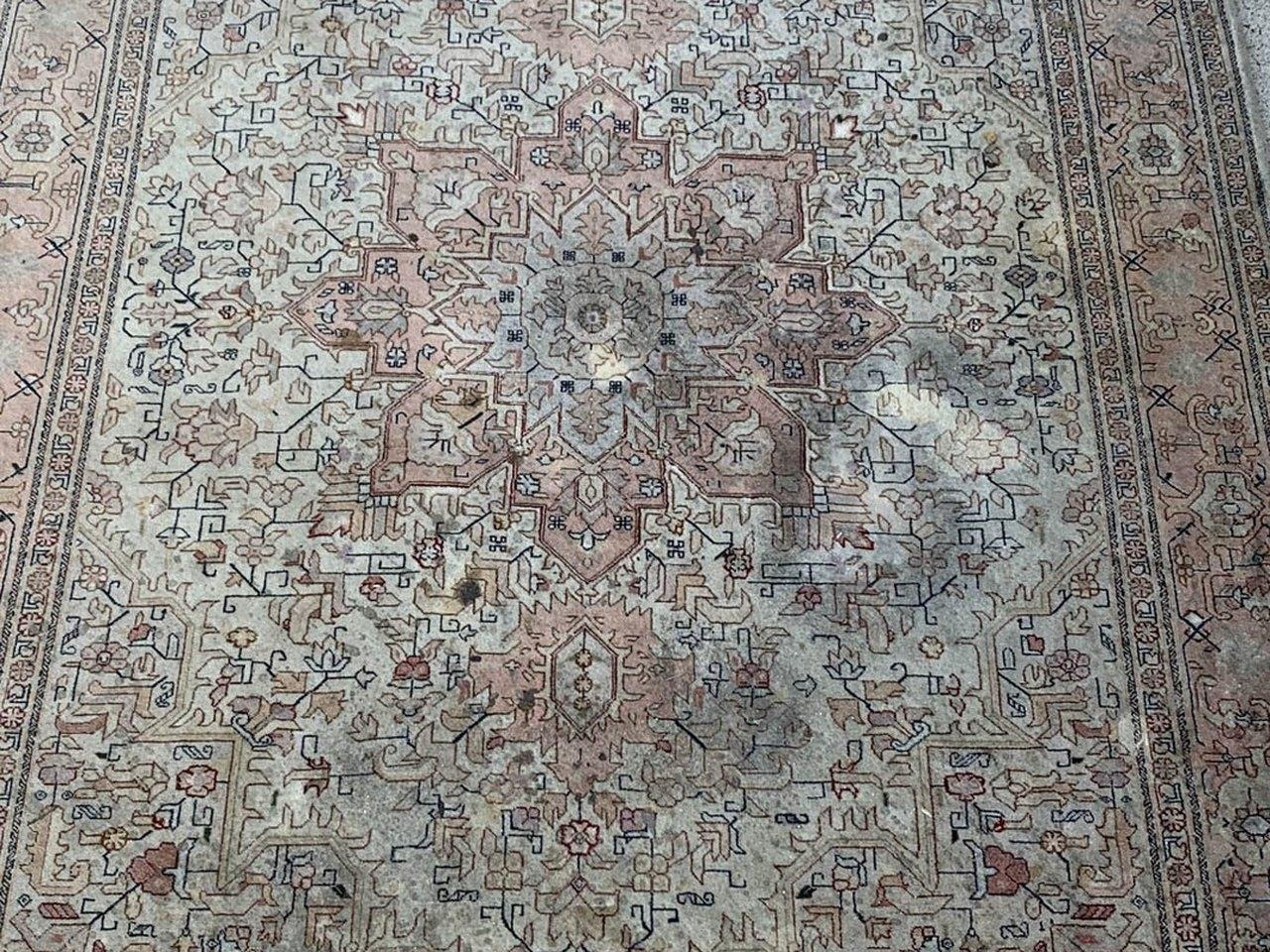
Sellers prepare for the things buyers can see. Paint gets touched up, counters get cleared, the lawn gets cut the morning of the showing. What almost nobody prepares for is the thing buyers register before they have looked at anything at all.
Smell reaches a buyer in the entryway, before the kitchen, before the natural light, before the square footage. When a house smells faintly of a pet, the reaction is rarely a comment. It is a quieter decision made in the first minute that shows up later as a lower offer, or no offer.
In most homes where this happens, the source is a rug.
Why Sellers Are the Last to Know
The reason this survives all the way to listing day is biological. The nose stops reporting a constant smell after continuous exposure, which is why nobody can smell their own home. A seller who has lived with a dog for six years is not being careless when they say the house smells fine. Their nose has stopped sending the signal. Every person walking through the front door still has a working sense of it.
Buyers, for their part, rarely name a smell objection. They say the house feels dated, or dark, or that it needs work. Agents hear those phrases constantly and they often mean something the buyer could not put a word to.
That vagueness is what makes odor expensive. A cracked tile reads as a repair. An odor reads as neglect, and neglect makes buyers wonder what else has been left alone. The doubt spreads from one room to the whole property, and it is very hard to argue a buyer back out of it.
The practical fix is borrowed judgment. Ask someone who does not live there and does not own a pet to walk in and say honestly what they notice.
Why Rugs Hold Odor Longer Than Anything Else in the Room
Hard flooring can be cleaned and the problem is generally over. A rug is a different structure.
An area rug is not a surface, it is a stack of absorbent layers: the pile, the foundation the pile is knotted into, whatever pad sits underneath, then the floor. Liquid that lands on top does not stay on top. It travels down and spreads sideways through the foundation, so the mark visible on the surface is usually smaller than the affected area beneath it.
This is why a rug can look clean and still be the source. The visible stain fades while the material causing the smell stays in the layers below, out of reach of anything applied from above. Wool complicates it further, holding moisture inside the fiber rather than on it.
Pet Urine Is a Chemistry Problem, Not a Cleaning Problem
Pet urine is worth separating from ordinary spills, because it does not behave like one.
As it dries, it leaves salts in the rug’s foundation. Those salts pull moisture out of the air, which is why a smell can seem to vanish for weeks and then return sharply on a humid day. The odor was never removed. It was dormant, waiting for humidity.
Those deposits are alkaline, and they keep working on the rug while they sit there. On wool or silk the effect shows up as dye migration, where colors bleed or shift around the affected area, and as fibers that feel brittle next to the rest of the rug. The damage moves from the back of the rug forward, which is the opposite of how anyone inspects one. By the time it is obvious from standing height, the deposits have reached the foundation.
The Fixes That Make It Worse
Masking is the most common response and the least effective. Plug-ins and candles remove nothing, and buyers have learned to read a heavily scented house as a house hiding something.
Deodorizing powders are a version of the same mistake. Most of the powder never comes back out of a dense pile, so it adds residue to a rug that already has a problem.
Steam and hot water extraction is the one that causes real damage. Heat sets protein residue rather than dissolving it, and on wool, hot water can felt the fibers into a permanently matted texture. A seller can start with an odor and finish with an odor and a ruined rug. Airing the house out on showing days buys a couple of hours and does nothing to the source.
What Actually Resolves It
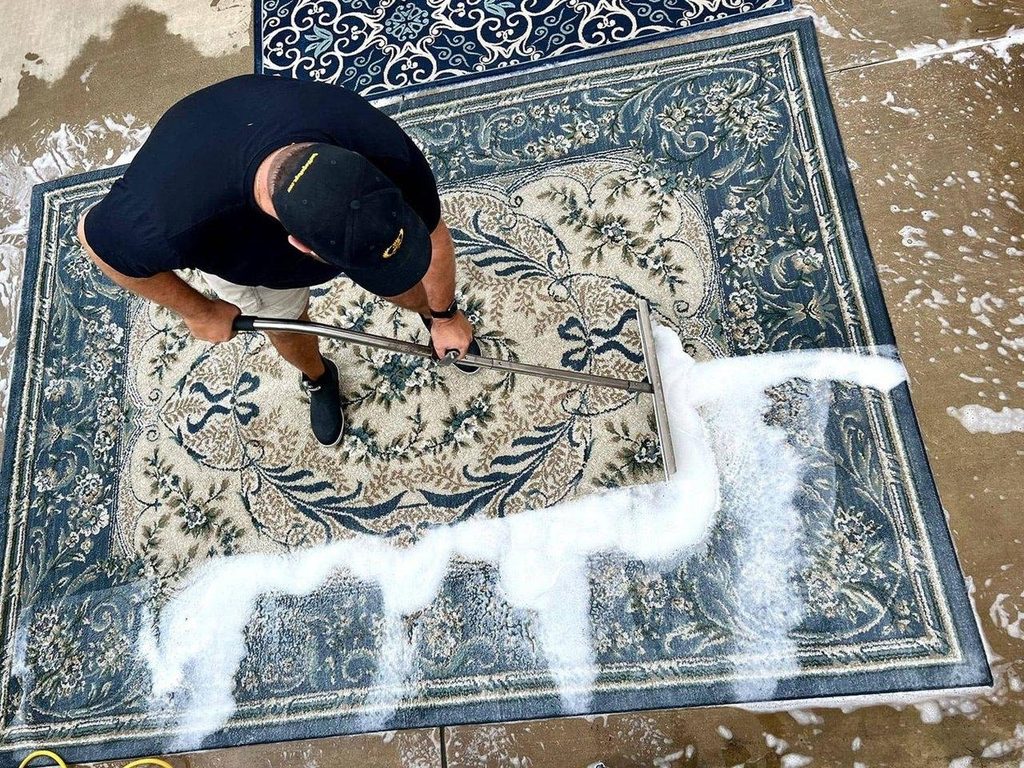
Removing urine from a rug means reaching the foundation from both sides, which cannot be done while the rug is lying on a floor. Anything applied from above pushes some portion of the problem further down.
That is why rugs with genuine odor issues get taken off site and washed through full immersion, where the rug is submerged, flushed from both faces, rinsed until the deposits are carried out rather than diluted, then dried under controlled conditions so moisture does not sit in the foundation and create a second problem. Zeytounian Rug Cleaning & Repair, a third-generation family workshop in San Diego cleaning and restoring rugs since 1956, handles pet odor this way, treating each rug individually with all-natural soaps and no harsh chemicals.
The difference is not the product. It is access. A workshop can wash both faces of a rug and control how it dries. A living room floor allows neither.
Timing It Before You List
The sequence matters more than sellers expect. Rug cleaning belongs before photography, because a rug flattened and dulled by years of traffic photographs as a tired room. It also belongs before staging, since a rug that comes back cleaner can change what furniture and paint look right around it.
Build in time rather than scheduling it the week of the listing. Proper washing and controlled drying is not a same-day service, and rushing the drying stage is how odor problems come back. Many workshops handle pickup and delivery, which takes the logistics off a seller already managing a move.
FAQ
Q1: Why can I not smell the pet odor in my own home? Answer: The nose adapts to constant smells and stops registering them after continuous exposure, so people genuinely cannot detect odors in their own house. Buyers walking in for the first time have no such adaptation. The most reliable check is to ask someone who does not live there and does not own pets to walk through and tell you honestly what they notice.
Q2: Will professional carpet cleaning remove pet odor from an area rug? Answer: Usually not completely. Cleaning done on the floor reaches the rug only from above, while urine deposits settle into the foundation and the back of the rug. Hot water extraction can also set protein residue and damage wool fibers. Rugs with real odor problems generally need to be washed off site so both faces can be flushed and the rug dried under control.
Q3: Why does the smell come back on humid days? Answer: Dried urine leaves salts in the rug that attract moisture from the air. When humidity rises, those deposits take on moisture and the odor reactivates, which is why a smell can seem to disappear for weeks and then return sharply. It was never removed, only dormant.
Q4: Should I just replace the rug before selling? Answer: It depends what the rug is. A machine-made synthetic rug near the end of its life may not be worth treating. A hand-knotted wool or silk rug is a different decision, since those are often worth considerably more than sellers assume and are frequently recoverable. Zeytounian Rug Cleaning & Repair and similar specialists assess the rug before deciding, which is the right order for anything old or handmade.
Q5: How long before listing should this be handled? Answer: Before photography and before staging. A washed rug changes how a room reads in photos, and it can change what furniture and color choices work around it. Full immersion washing and controlled drying take time, so schedule it a few weeks out rather than in the final week before the listing goes live.