

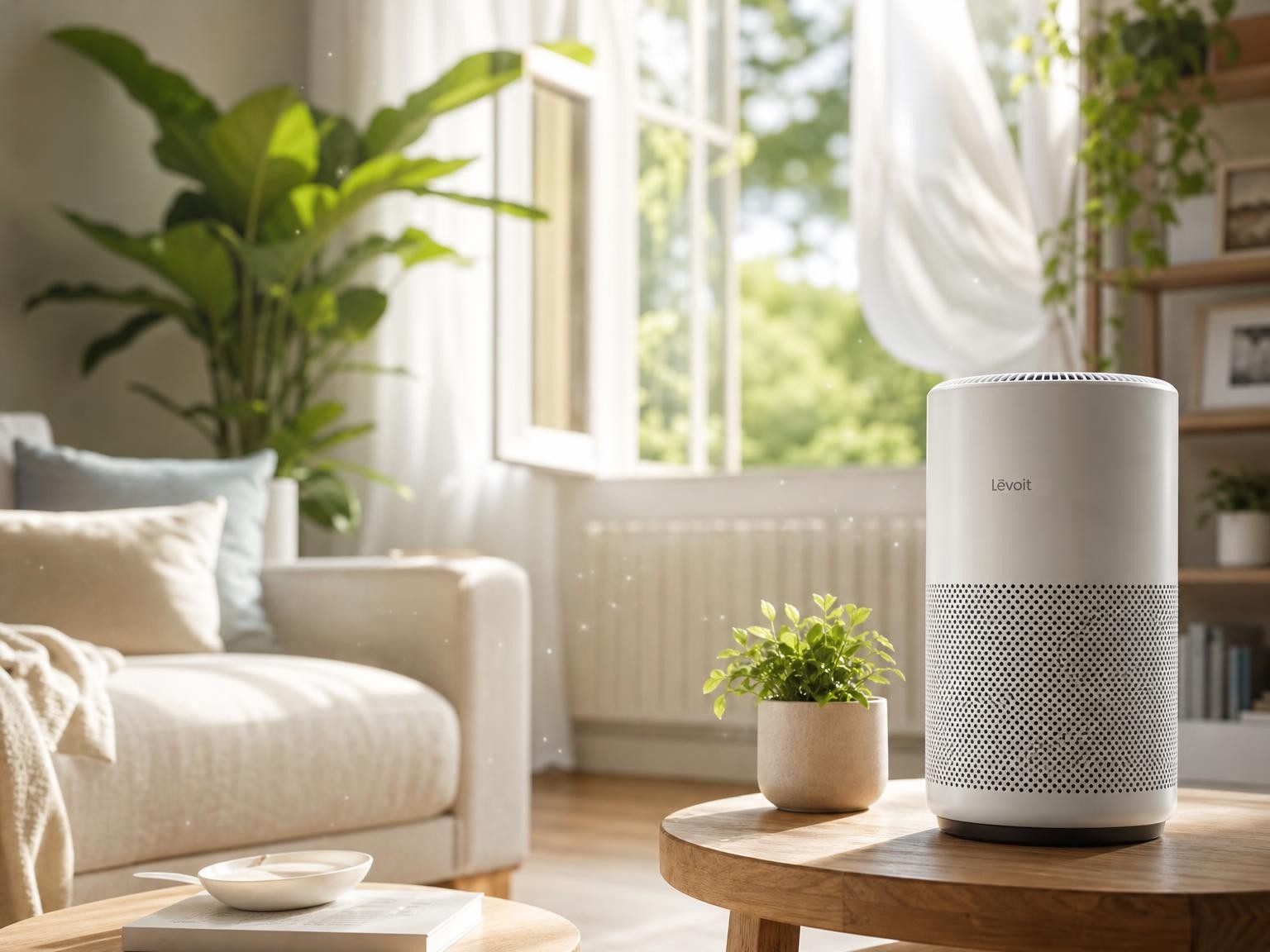
The air inside a home is rarely as clean as it looks. It can hold a surprising mix of particles, allergens, chemical vapors, excess moisture, and combustion byproducts—often at concentrations higher than what you’d find outdoors. Improving that air rarely comes down to one product or a single cleaning routine. Instead, the U.S. Environmental Protection Agency recommends a three-part approach: source control, ventilation, and filtration. Filtration devices, including an air purifier, can support these broader efforts, but they work best alongside—not in place of—reducing pollutants at the source and moving fresh air through the home. No single intervention removes every indoor pollutant, and understanding how these strategies reinforce one another is really the foundation of healthier indoor air.
Understand Common Indoor Air Pollutants
Indoor air pollution refers to the buildup of substances that affect comfort, health, or air clarity inside a building. Common categories include fine particles from cooking, candles, fireplaces, and tobacco smoke; allergens such as dust, pet dander, pollen, and pest debris; volatile organic compounds released from paints, adhesives, furnishings, and cleaning products; biological contaminants tied to excess moisture and mold; and combustion pollutants like carbon monoxide and nitrogen dioxide. Pollutant levels vary widely depending on a building’s construction, ventilation, household habits, and even outdoor air conditions. Visible dust is only one small indicator—it doesn’t reveal the presence of gases, moisture problems, or combustion byproducts. Some pollutants, such as radon or mold spores, require specialized testing rather than a visual once-over.
Know the pollutant: particles respond best to filtration and cleaning; gases and odors respond better to source control and ventilation; moisture issues call for repair and airflow; combustion gases require detection equipment and professional inspection.
Start With Source Control
Reducing or eliminating a pollutant at its origin is generally the most effective first step. Practical examples include avoiding indoor smoking or vaping, using cleaning products strictly according to their labels, storing paints and solvents away from living areas, and limiting candle or incense use. Combustion appliances should be maintained and inspected by qualified professionals, and a range hood vented outdoors can meaningfully cut down on cooking emissions. Regular cleaning, damp dusting, and laundering bedding also go a long way toward managing household dust.
It’s worth noting that source control is different from masking odors—air fresheners can add chemicals to a room without ever addressing what caused the smell in the first place. Consider a household that keeps noticing cooking odors and greasy residue lingering in the kitchen. Running a portable filtration device might reduce some particles temporarily, but adjusting cooking habits and improving exhaust ventilation typically resolves the issue at its source, with results that actually last.
Improve Ventilation Safely
Ventilation works by diluting indoor pollutants with outdoor air and clearing out excess moisture. In practice, this might mean opening windows when outdoor air quality and weather allow, or using kitchen and bathroom exhaust fans—ideally ones vented outdoors rather than recirculating fans that simply push air around without actually removing pollutants. Running these fans during and after cooking or showering makes a measurable difference.
That said, there are times when opening windows isn’t a good idea, including during wildfire smoke events, periods of high outdoor pollution, extreme temperatures, or heavy pollen days. Moisture control matters just as much: repairing leaks promptly, drying damp materials quickly, and improving airflow in bathrooms and laundry areas all help reduce the conditions that encourage mold growth. Persistent dampness or suspected mold often calls for a qualified professional rather than a DIY fix.
Quick checklist—when to ventilate and when to keep windows closed: ventilate during cooking, showering, or cleaning; keep windows closed during poor outdoor air quality, smoke events, or severe weather.
Use Filtration as a Supplement
Filtration can reduce certain airborne particles, but how well it works depends on filter efficiency, the volume of air moved, room size, and how consistently the equipment is used and maintained. HVAC filters work through a home’s central system, while portable units treat air in a single room or area. It’s worth understanding that particle filtration isn’t the same as removing gases or odors—those require entirely different approaches.
Filtration should never be treated as a substitute for carbon-monoxide alarms, radon testing, leak repairs, or professional evaluation of combustion appliances. A device like an air purifier can be a reasonable addition to a broader air-quality plan, but it works best as one tool among several rather than a standalone fix.
Build a Practical Indoor-Air-Quality Routine
A simple sequence can help prioritize efforts:
- Identify likely pollution sources in the home.
- Reduce or eliminate controllable sources.
- Improve ventilation when outdoor conditions allow.
- Address moisture and repair leaks.
- Add suitable filtration where particle reduction is still needed.
- Maintain filters, fans, and appliances regularly.
Keeping a simple log that connects symptoms or odors to specific activities—cooking, cleaning, renovation—can help uncover patterns over time. Prioritize kitchens for cooking emissions, bedrooms for allergens and sleep comfort, bathrooms and laundry areas for moisture, and living areas for general occupancy and outdoor pollutant entry.
Key takeaway: layered controls—addressing source, airflow, moisture, and filtration together—are far more reliable than leaning on any single intervention.
When to Seek Testing or Professional Help
Certain situations call for more than household adjustments: persistent respiratory irritation, suspected mold, possible radon exposure, recurring combustion odors, or a carbon-monoxide alarm going off all warrant professional evaluation. Medical symptoms should always be discussed with a qualified healthcare provider, while building, HVAC, or moisture concerns are best handled by the relevant specialists. Carbon-monoxide alarms are safety devices, not replacements for regular appliance maintenance.
Create a Layered Plan That Fits the Home
Improving indoor air quality ultimately comes down to a consistent framework: control sources, ventilate safely, manage moisture, and use filtration strategically. Because every home differs in construction, climate, and household habits, there’s no one-size-fits-all fix. Start with one identifiable issue—cooking emissions, dampness, or indoor smoke—rather than trying to tackle everything at once. Reviewing the home room by room, addressing the most significant source first, and seeking qualified help when risks are unclear is a practical, sustainable way to build healthier indoor air over time.