
Commercial painting for business properties
Many commercial painting projects involve more than just applying paint to walls and reopening the building. Depending on the scope, they may require scheduling work around business operations, addressing safety concerns, coordinating with other trades, planning for thorough cleanup, and ensuring the building is protected during and after the project. That’s where experience matters. Experienced commercial painters know how to tackle each aspect of a painting project, preventing headaches and unnecessary expenses.
Inspect Surfaces Before Choosing Products
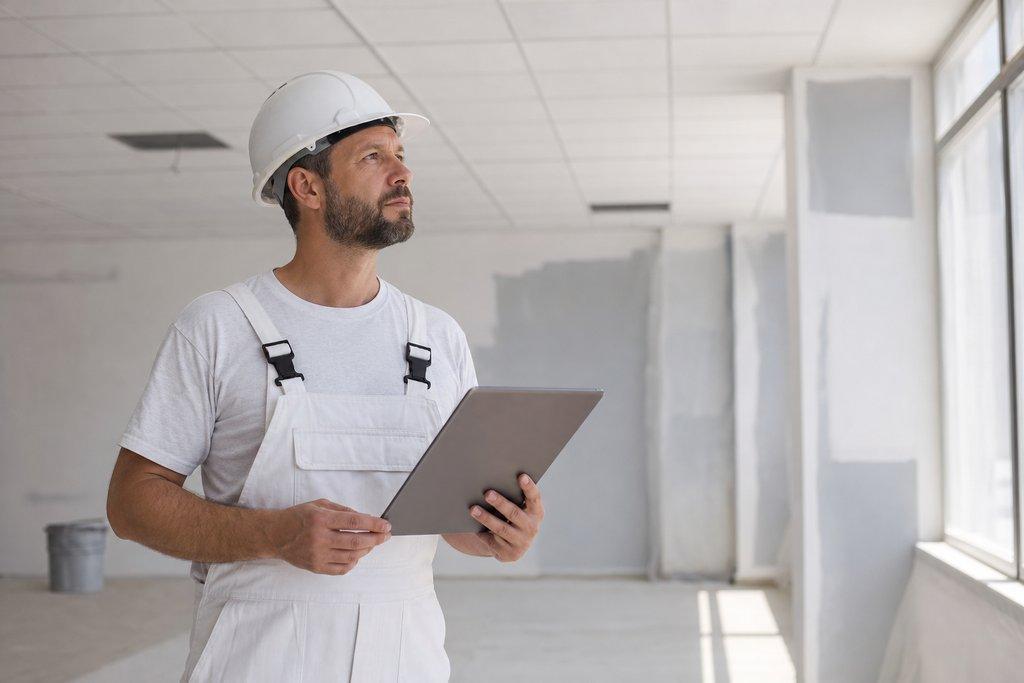
It’s important for a painting contractor to walk through the space and evaluate the condition of the walls before recommending a timeline or products. In some cases, there may be peeling paint, drywall cracks and dents, prior patch jobs, moisture issues, grease or residue, limited access or tall ceilings. All of these situations should be taken into account when planning a painting project.
Different areas of a building deteriorate at different rates. For example, in an office building, the walls in the lobby might show wear from lots of foot traffic, whereas the walls in the storage room may have dents, scuffs and stains from equipment or furniture. Outside of a building, some areas of exterior paint or trim may deteriorate faster than others, particularly around doors and windows, near gutters and downspouts or on elevations that receive more sun.
Moisture issues should always be corrected before painting. Painting over damp walls will only result in premature staining, peeling or blistering of the new paint.
Other factors an experienced commercial painting contractor will take into account include:
- Adhesion of current paint, including any areas that are peeling
- Cracks, holes and dents in drywall, as well as any areas that have been previously patched
- Water staining or other indication of a moisture problem
- Walls that are particularly dusty or greasy, or have a buildup of dirt, grime or residue from harsh cleaning products
- Difficult to access areas, very tall ceilings or other special challenges
- Spaces that need to remain accessible during the project
- Condition of caulk around windows, doors and trim
Match Preparation and Scheduling to the Space
Commercial paint and surface preparation
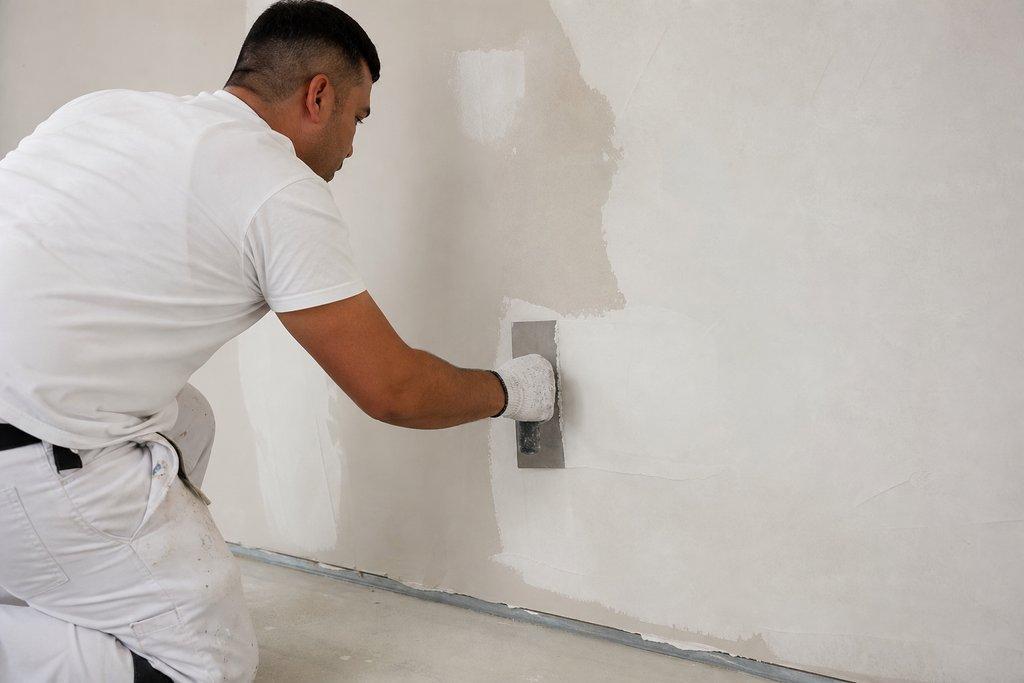
An important part of any painting project is surface preparation. Depending on the condition of the walls, prep work may include power or hand washing, scraping, sanding, patching, caulking, priming and more. All of these steps help to ensure that the finished project looks its best and will be easier to maintain in the future.
Another important component of commercial painting is choosing the right products for each area of a building. Different areas will experience different levels of foot traffic and different types of wear. For example, hallways, restrooms, conference rooms, offices, break rooms, stairwells, receiving areas and entrances will benefit from different paints than each other. An experienced commercial painting contractor will evaluate each area of a building and recommend suitable products for each situation, an approach reflected in the product-and-surface matching offered by Northeast Ohio Commercial Painting Professionals.
Control Color, Safety, and the Final Handoff
Choose Paint Wisely
Of course, one of the biggest decisions when it comes time to tackle a commercial painting project is color. Color can affect wayfinding and navigation, how bright or dark a space feels, the overall vibe of an area and even how long a space will appear to be clean. That said, there are other important paint considerations including sheen, durability, cleanability, odor, compatibility and more. For example, some commercial areas may benefit from washable paints; in other situations, a less-glossy paint may help disguise problem areas. And for exterior commercial painting projects, it’s important to select products that will withstand sun, moisture and temperature changes.
Think About the Future
If possible, save any leftover paint for future touch-ups and note where it was used along with the color, finish, product and manufacturer. Over time, even small patch jobs using the same paint can appear noticeably different due to changes in the wall surface, paint fading, cleaning, etc. This is especially true in large areas with a lot of natural light.
Keep Safety and Communication Visible
From protecting equipment and furnishings to keeping hallways and traffic patterns accessible to making sure employees and customers know where they can and can’t go, safety should be a top priority in any commercial painting project. A quality contractor will also make sure that the work area is well ventilated and free of paint fumes, debris and trip hazards, taking account of the indoor-air effects of volatile organic compounds described at https://epa.gov/indoor-air-quality-iaq/volatile-organic-compounds-impact-indoor-air-quality. At the end of each day, the project area should be cleaned up and any potential hazards noted with clear signage.
In some cases, it may be helpful to notify employees and customers ahead of time about areas that will be inaccessible and when belongings will need to be moved. It’s also a good idea to discuss any changes to the project schedule so everyone’s expectations are aligned.
Get the Scope in Writing
Before the first brush touches a wall, make sure expectations are clear and everyone’s on the same page regarding scope of work, schedule, surface preparation and more. Take note of any problem areas that need special attention, areas that should (or can’t) be painted, when different areas of the building will be accessible/inaccessible and any other important information. And don’t forget to set aside any extra paint for future touch-ups!