

Not every home problem kills a sale, but some issues make buyers bolt before they even finish the showing.
Selling a home in Wisconsin isn’t always smooth. Buyers here are practical people. They know winters are brutal, basements flood, and older homes come with baggage. Still, there’s a difference between a buyer who negotiates hard and a buyer who ghosts you entirely. Some problems fall into the second category.
If your home has any of the issues below, it’s worth knowing how buyers actually react because perception matters just as much as reality in real estate. Let’s break down what scares Wisconsin buyers the most, and what you can do about it.
Water in the Basement Stops Showings Cold
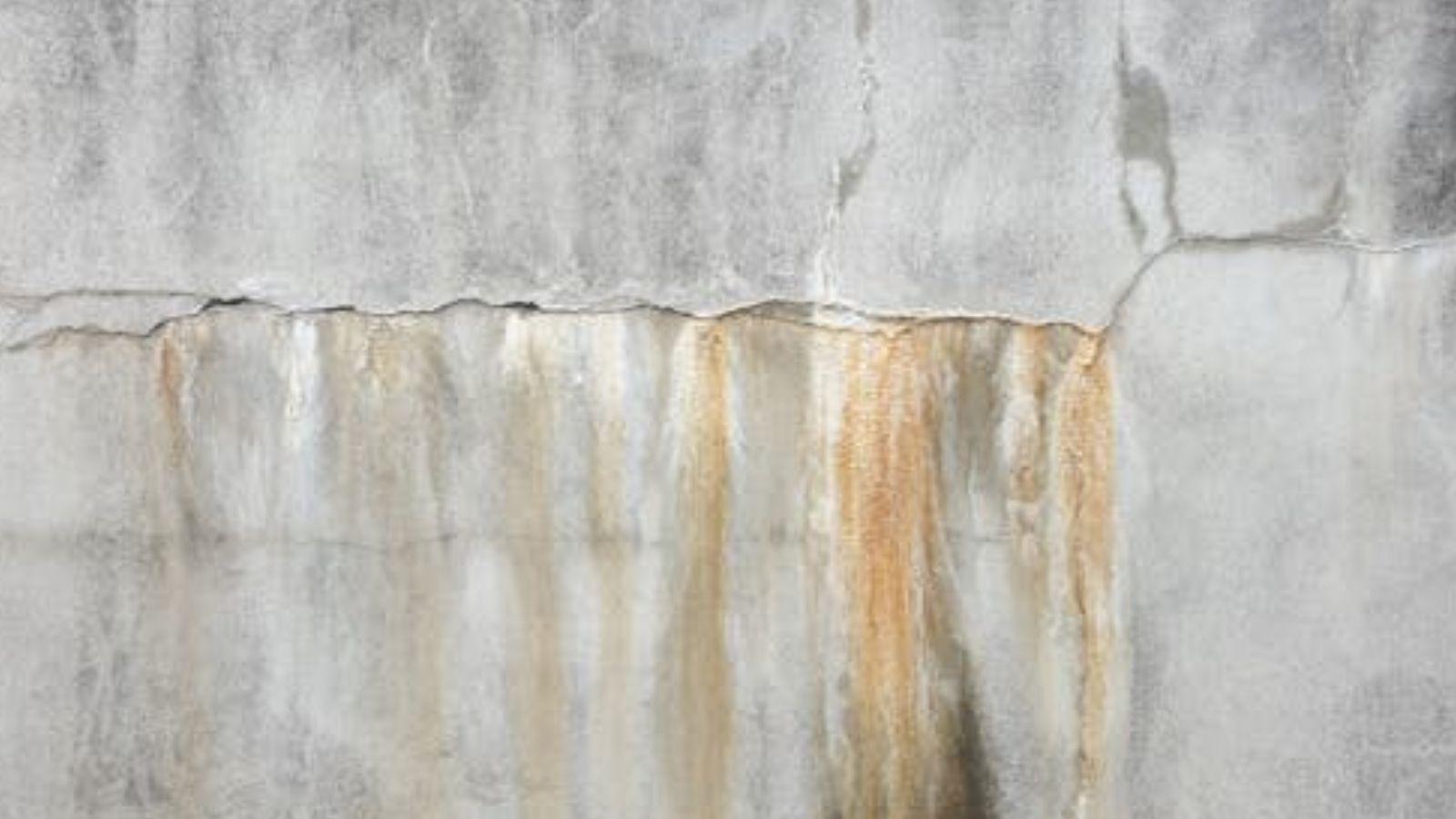
Water damage is the number one fear for Wisconsin home buyers. A wet basement isn’t just an inconvenience; buyers picture mold, structural failure, and years of costly repairs. When they see water stains, efflorescence on walls, or smell that musty dampness, most of them mentally check out.
Wisconsin’s freeze-thaw cycle puts real pressure on foundation walls and window wells every single year. Buyers who’ve lived here long enough know that minor seepage can turn into a major problem fast. Even if your basement only leaks once a year during heavy spring melt, that’s enough to kill a deal.
The fix doesn’t always have to be expensive. Sometimes, improving grading around the home, cleaning gutters, and extending downspouts is enough to stop water entry. For more serious issues, a professional waterproofing system with a documented warranty goes a long way toward reassuring buyers.
Seller Tip
Get a basement inspection and fix what you can before listing. Buyers who see a transferable waterproofing warranty feel far more confident than those who see nothing or worse, a fresh coat of paint over old stains.
An Aging Furnace Makes Buyers Do the Math
Wisconsin winters are no joke. A furnace that’s 20-plus years old tells a buyer one thing: budget for a replacement, probably soon. Buyers will quickly calculate that a new furnace runs $3,000 to $6,000 and use that as leverage to demand a price cut or simply move on to a home that doesn’t come with that risk.
What makes it worse is uncertainty. Buyers don’t know if the furnace will make it through one more winter or fail in January when temperatures drop to single digits. That uncertainty is what kills confidence. A functional but old furnace is one of those problems that’s easy to overlook as a seller, but glares at every buyer who walks through.
Seller tip
Have the furnace serviced and get a written report showing it’s in good working order. If it’s genuinely old, consider pricing the home to reflect replacement costs or offer a home warranty. Resources like iBuyWI can also help sellers who want to skip buyer negotiations entirely and sell the home as-is.
Foundation Cracks Make Buyers Think Twice
Not all foundation cracks are catastrophic; hairline cracks from normal settling are common in Wisconsin homes. Most buyers, though, can’t tell the difference between a cosmetic crack and a structural one. That fear makes them hesitant to make an offer, even when the house is otherwise solid.
Horizontal cracks in block or poured concrete walls are the ones that truly alarm buyers and their inspectors. They signal potential lateral pressure from soil and can mean real structural issues. Stair-step cracks in block walls are also red flags that need professional evaluation before you list.
|
Hairline vertical Usually minor |
Stair-step cracks Get evaluated |
Horizontal cracks Major red flag |
Having a structural engineer assess any visible cracks and provide a written report can save your sale. Buyers respond very differently to we had this evaluated, and it’s cosmetic, versus silence, which they always interpret as hidden problems.
Cracked Driveways and Peeling Paint Signal Neglect
Here’s something sellers often underestimate: curb appeal problems don’t just make a house look bad. They make buyers wonder what else has been ignored. A cracked and heaved driveway, chipped paint on trim, or a sagging front porch step sends a message that maintenance hasn’t been a priority.
Wisconsin’s harsh winters wreak havoc on driveways. Freeze-thaw cycles crack asphalt and push concrete slabs apart year after year. A badly damaged driveway costs real money to repair, typically $3,000 to $8,000 for a full replacement. So buyers factor that into their offer right away.
Purchaser perception
Exterior flaws often cost sellers more than the actual repair, because buyers price in what else is wrong? factor on top of the visible damage.
Resealing an asphalt driveway is relatively affordable and goes a long way. Patching concrete cracks and freshening exterior paint gives buyers the impression of a cared-for home, which is exactly what you want them to feel when they walk in the front door.
Old Electrical and Plumbing Push Purchasers Away Quietly
Knob-and-tube wiring or a 60-amp fuse box from the 1950s doesn’t just worry buyers. It often makes their homeowner’s insurance difficult or more expensive to get. Wisconsin insurance providers sometimes refuse to cover homes with outdated electrical systems, which can kill a financing deal even when the buyer is still interested.
Lead pipes and galvanized steel plumbing create similar hesitation. Buyers imagine expensive repiping projects, water quality concerns, and the hassle of dealing with a dated system. Even if the plumbing works fine today, it signals a high future cost.
Getting a licensed electrician to assess your panel and wiring, and having a plumber check for aging pipes, gives you solid ground to stand on during negotiations. Disclosure is important; Wisconsin requires sellers to be upfront about known defects, and trying to hide these issues always backfires during inspection.
How to Sell Without Fixing Everything
Fixing every problem before listing isn’t always realistic or financially smart. Sometimes the repair costs more than the value it adds. In that case, your options come down to pricing the home to reflect its condition, offering concessions at closing, or selling to a buyer who wants the home as-is.
Wisconsin has a strong market for as-is sales, especially in areas where investors and cash buyers are active. Being transparent about known issues, pricing accordingly, and marketing to the right audience can still result in a solid, stress-free sale without months of contractor work.
The key is never pretending problems don’t exist. Purchasers in Wisconsin are savvy, inspectors are thorough, and issues that aren’t disclosed upfront always surface later, usually at the worst possible moment.
Quick recap: issues that lose Wisconsin purchasers fastest
Water in the basement · Aging furnace · Foundation cracks · Deferred exterior maintenance · Outdated electrical or plumbing. Address what you can, disclose everything, and price honestly. That approach wins in every market condition.