

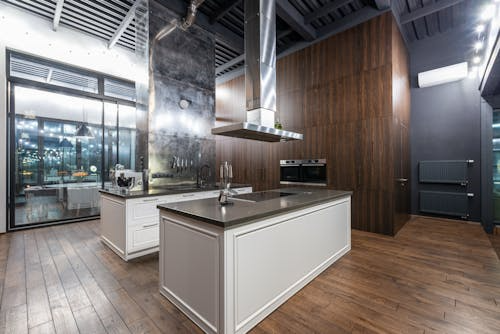
Walk into any kitchen, and you sense it before you see it, a lingering smell, a foggy window, or a room that just feels heavy. That moment is not random. It is your ventilation system speaking.
When buyers tour a home, they rarely bring a checklist for air quality. They rely on instinct. A kitchen that smells stale, looks greasy near the ceiling, or feels uncomfortably warm sends a quiet signal that something is off. That signal can quietly kill a deal before a single question gets asked.
Kitchen ventilation is one of those behind-the-scenes features that most sellers overlook because it does not show up in listing photos. Yet it shapes how a buyer feels the second they step into the room, and feelings drive home-buying decisions more than most sellers realize.
Section 01. What Happens in a Buyer's Head During a Kitchen Walk-Through
Buyers make emotional decisions and then use logic to back them up. When they walk into a kitchen, they are not auditing ventilation specs. They are asking themselves, Can I see my family living here? A well-ventilated kitchen answers that question with a soft yes. A stuffy, odor-heavy kitchen answers with a hard no.
The brain processes smell faster than almost any other sense. If there is an old cooking odor: fish, fried food, or stale grease, a buyer's mood drops almost instantly. They may not connect it to ventilation. They may just say the kitchen felt weird or didn't feel clean. Either way, your asking price starts to feel less justified in their mind.
Good ventilation keeps a kitchen neutral. Neutral gives buyers room to imagine. Imagination is where the emotional connection to a home gets built.
Section 02. Poor Ventilation Leaves Evidence Everywhere
A buyer does not need to turn on your range hood to know whether your kitchen has been ventilated properly. The room tells them without any testing.
Signs buyers spot immediately
- Yellow or brown grease stains near the stovetop and ceiling
- Discolored cabinet surfaces above the cooking area
- Foggy or moisture-stained windows near the stove
- Peeling paint near the hood or upper walls
- A faint, persistent smell that no amount of candles can cover
These are not just cosmetic issues. To a buyer, they suggest a home that has not been cared for. And once a buyer decides a home is not well cared for, they either walk away or they come back with a lowball offer. Neither outcome works in your favor.
Grease buildup and moisture damage also raise questions about mold and air quality. Even if no mold exists, the suspicion alone is enough to slow a deal down or end it completely. Myers House Buyers often note that kitchens with visible ventilation neglect are among the top reasons buyers lose confidence in a property during a showing.
Section 03. Why Range Hoods Say More Than You Think
A range hood is a visible object. It sits right there in the kitchen. Buyers look at it. They form an opinion before they even touch it.
|
72% Some buyers say kitchen quality heavily influences their offer |
3× more likely to negotiate down after noticing odors or grease buildup |
#1 room buyers focus on during a first walk-through |
A sleek, clean range hood signals a kitchen that has been used and maintained. A greasy, dusty hood or worse, no hood at all, signals neglect. Buyers in that second scenario start looking for other problems. They become skeptical rather than excited, and skeptical buyers are very hard to close.
Section 04. Moisture Is the Hidden Deal-Breaker
Cooking releases a lot of steam and moisture into the air. Without proper ventilation, that moisture has nowhere to go. It settles on walls, ceilings, and inside cabinets. Over time, it warps wood, encourages mold growth, and creates that damp, heavy feeling that buyers find deeply uncomfortable.
Moisture damage is not always dramatic. It might show up as faint water marks on the ceiling above the stove, a slightly swollen cabinet door, or a musty smell that comes and goes. These small signs get amplified in a buyer's mind. What they see as a spot on the ceiling, they mentally translate into a much larger and more expensive problem.
Quick fix that matters: Run your range hood at full power for 15 minutes before every showing. Fresh air circulation makes a real difference in how a room feels, and it costs nothing.
Section 05. Simple Fixes That Change How Buyers Feel
You do not need a full kitchen renovation to improve how ventilation affects buyer perception. Small, targeted actions go a long way when you are preparing a home for sale.
Start with the range hood filter. Most buyers or their agents will look inside or even touch the hood. A clean filter tells them the kitchen has been maintained. A clogged, greasy filter tells a very different story. Clean or replace it; filters are inexpensive, and the visual difference is dramatic.
Deep clean the surfaces around and above your stovetop. Use a degreaser on the backsplash, the hood exterior, and the upper cabinets nearby. If there is any discoloration on the wall or ceiling, a fresh coat of paint in those areas makes the whole kitchen feel newer. Repaint in a slightly warm white tone so it looks intentional rather than like a quick cover-up.
If your kitchen relies only on a recirculating hood (one that filters but does not vent outside), consider airing the kitchen out well before showings. Open windows, turn on the hood, and let the space breathe. Recirculating hoods reduce odors but are less effective than ducted systems, something buyers and their agents often know.
Section 06. When Upgrading Ventilation Actually Pays Off
If your home is positioned in a competitive market or at a higher price point, investing in a proper ducted range hood before listing can genuinely move the needle. A quality range hood in the $300–$700 range is a visible, functional upgrade that photographs well and impresses during showings.
Buyers at higher price points pay attention to kitchen details in a way that entry-level buyers may not. A quality range hood in that price category looks like it belongs. It says the kitchen was built or updated with intention. That impression matters when buyers are deciding between two otherwise similar homes.
Even at lower price points, a clean and functional hood is far better than a missing or broken one. If your current hood is damaged or completely absent, replacing it with even a basic model cleans up the overall look of the kitchen and removes a potential inspection flag. It is one of the more affordable improvements with a clear visual return.