

You listed your home with hope. Maybe you painted the front door, cleaned out the garage, and even bought new throw pillows for the couch. Weeks passed. Then more weeks. A few showings. No offers. Or maybe one low offer that felt like an insult. Sound familiar?
If you own a home in Delaware with a small kitchen, a tight layout, or a mortgage that feels heavier every month, waiting for the perfect buyer can slowly drain your confidence and your savings. There is a smarter way to think about this.
Delaware Kitchens Kill Deals Faster Than You Think
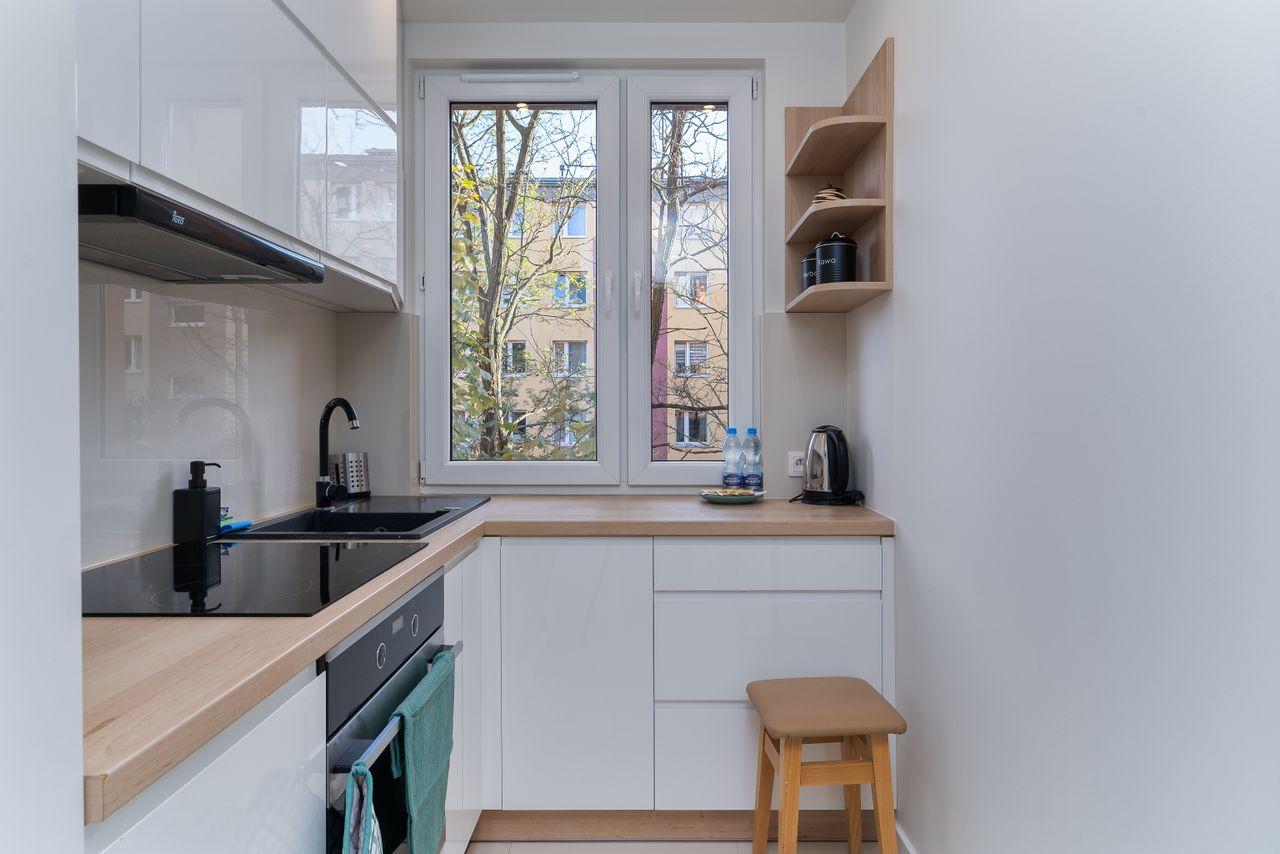
Real estate agents will tell you kitchens sell homes. They are not wrong. When buyers walk through a house, the kitchen is usually where they make up their minds. A cramped layout, dated cabinets, or a lack of counter space can turn an interested buyer into a polite we’ll think about it and nothing more.
In Delaware, many older homes, particularly in areas like Wilmington, Dover, and smaller towns along Route 9, were built in an era when kitchens were purely functional. No open floor plan. No kitchen island. Just four walls, a stove, and a wish.
Buyers today want space. They want natural light. They want to imagine hosting dinner parties. When a kitchen does not deliver that vision, they move on to the next listing. Your home sits. Your mortgage payment does not.
What Does Sitting at Home Cost You
This part hurts to read, so take a breath. Every month your home stays on the market, you are paying your mortgage, your property taxes, your utility bills, and possibly your HOA fees. That is real money leaving your pocket while you wait.
Then there is the emotional cost. The constant cleaning before showings. The rescheduling your life around open houses. The anxiety of checking your phone for updates that do not come. It adds up.
Some sellers also make the mistake of chasing the market down. They list high, get no offers, drop the price a little, still nothing, drop again, and by the time they get a real offer, they have lost thousands they did not have to lose. Sitting and waiting is not a neutral strategy. It costs you.
How Cash Buyers Change the Math for Sellers
Here is where things get different. Delaware Home Buyers work with sellers who are done playing the waiting game. They are not traditional buyers shopping for their dream home. They buy houses as-is, in any condition, regardless of whether the kitchen looks like it belongs in a 1987 catalog. No repairs. No staging. No open houses every weekend. You get a cash offer, and if it works for you, you close on your timeline; sometimes in days, not months.
This is not some too-good-to-be-true pitch. It is just a different kind of transaction. You trade some top-dollar potential for speed, certainty, and zero hassle. For a lot of Delaware homeowners carrying a heavy mortgage and a kitchen that buyers keep rejecting, that trade makes a lot of sense.
Sellers Who Benefit From This Approach
Not every seller needs this path. If you have time, money for renovations, and a strong stomach for uncertainty, listing traditionally can still pay off. No argument there.
This approach works best for a specific kind of seller. Someone who needs to relocate for work and cannot afford to carry two mortgages. Someone going through a divorce who just needs the property sold and the chapter closed. Someone who inherited a home they never planned to own and do not want to pour money into.
It also works well for sellers whose homes need more work than a coat of paint. A small kitchen, a cracked driveway, and a home that also needs a new roof and updated plumbing are a very hard sell on the open market. Cash buyers take all of that off your plate.
Making a Clear-Headed Decision
There is nothing wrong with wanting top dollar for your home. That desire makes complete sense. The question is whether the pursuit of that number is actually costing you more in time, stress, and carrying costs than the difference is worth.
Pull out your mortgage statement. Add up three or four months of payments, taxes, and utilities. Now ask yourself: if you could avoid all of those costs, how much would that change your thinking about what offer you would accept?
Sometimes the best financial decision is not the one that gets the highest sale price. It is the one that gets you out cleanly, on time, with money in your pocket and no more sleepless nights about when the right buyer will finally show up. In Delaware’s real estate market, that clarity is worth a lot.
FAQ
Q1: Why should I not wait for the perfect buyer for my Delaware home?
Answer: Waiting for the perfect buyer can drain your confidence and savings. Every month your home sits on the market, you continue to pay mortgage, property taxes, utilities, and possibly HOA fees, which can add up quickly.This approach can also lead to emotional stress from constant showings and rescheduling your life around open houses.
Q2: How does the kitchen affect the sale of my home?
Answer: The kitchen is often the focal point for buyers when deciding to make an offer. A small or outdated kitchen can deter potential buyers, causing them to lose interest and move on to other listings.In Delaware, many older homes have kitchens that may not meet modern buyer expectations, which can stall your home’s sale.
Q3: What are the advantages of selling to a cash buyer?
Answer: Selling to a cash buyer allows you to skip the traditional selling hassles, such as repairs, staging, and open houses. Cash buyers purchase homes as-is, providing you with a cash offer that can close on your timeline, often within days, rather than months.
Q4: Who would benefit from selling their home quickly instead of waiting for a higher price?
Answer: Sellers who need to relocate for work, are going through a divorce, or have inherited a property they don’t want to manage would benefit from selling quickly.Additionally, those whose homes require significant repairs, like a small kitchen combined with other issues, may find it easier to sell to cash buyers who can handle these conditions.
Q5: How can I determine if selling my home quickly is the right financial decision?
Answer: Consider your current financial obligations by adding up your mortgage payments, taxes, and utilities for a few months.Then, evaluate how much those costs impact your decision regarding the sale price.Sometimes, accepting a lower offer that allows you to avoid continued expenses can be a smarter financial choice than holding out for a higher price.