

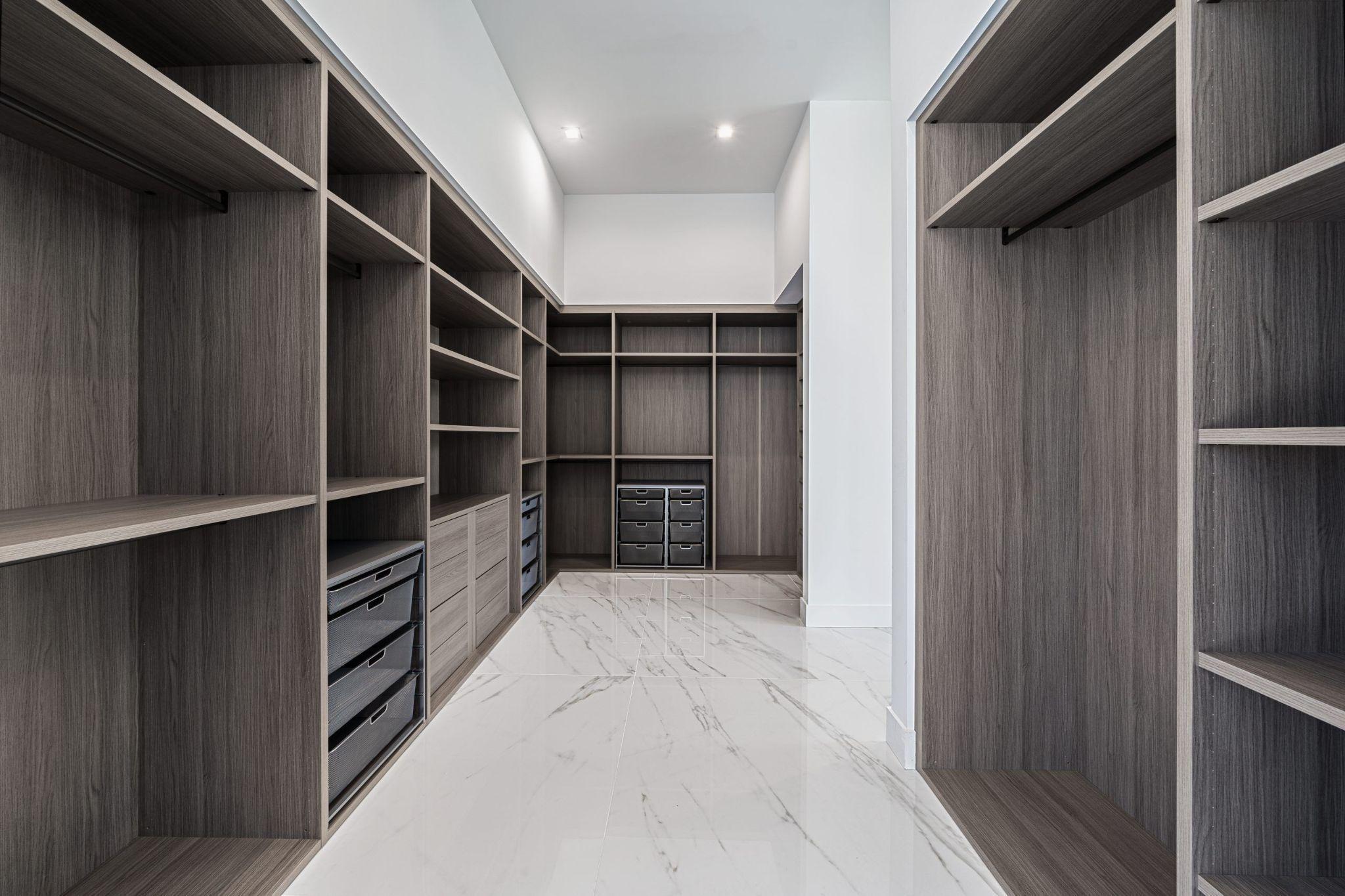
Buyers walk into a home and talk about the kitchen island or the backyard view. Behind the scenes, they are also opening every closet door and peeking into the pantry. Storage space quietly shapes how people feel about a house, and it often decides whether they picture themselves living there. If you are getting a home ready to sell, small storage upgrades can leave a bigger mark than a full renovation.
Closets Get Judged Harder Than You Think
A closet packed to the ceiling sends one message: there is not enough room in this house. Even a spacious bedroom can feel cramped if the closet looks like a storage unit. Buyers open closet doors within seconds of entering nearly every bedroom, and what they see in that first glance sticks with them.
Clear out half of what is inside before a showing. Add slim matching hangers, a shelf divider, or a simple shoe rack. These small touches make a closet look planned instead of stuffed, and that impression carries into how buyers judge the rest of the room.
Pantries Turn Grocery Runs Into a Flex
A well-organized pantry has become one of the biggest silent selling points in a kitchen. People shop for groceries every week, so a pantry that looks calm and roomy speaks to daily life in a way granite counters never will. Clear bins, labeled jars, and open shelving photograph beautifully and make a kitchen feel finished.
Sellers working with teams like Simple Quarters often hear the same feedback from agents: pantry photos get more clicks online than almost any other kitchen shot. A tidy pantry does not need to be large to impress. It needs to look intentional, with everything visible and nothing crammed into corners.
Add a lazy Susan for oils and spices. Group snacks in baskets so shelves look tidy instead of cluttered. Swap cardboard boxes for clear containers, since buyers respond to what they can see clearly.
Open shelving in a pantry also gives buyers a quick sense of scale. When jars and boxes sit in neat rows with labels facing forward, the whole space reads as larger and better planned than it would with items piled two and three deep.
Mudrooms Set the Tone Before Buyers Even Step Inside
A mudroom or entryway is often the first real space a buyer walks through, right after the front door. A cluttered pile of shoes, coats, and bags creates a bad first impression before anyone reaches the living room. Even a small entry bench with hooks and a basket for shoes can turn chaos into charm, and buyers notice when a home has a landing zone for daily items, since it hints that the rest of the house is also organized well.
Garages and Attics Still Matter, Just Quietly
Garages and attics rarely make it into listing photos, yet they still shape buyer opinions during a walkthrough. A garage stacked with random boxes reads as wasted space, while a garage with wall-mounted shelving and labeled bins reads as usable square footage.
Attics work the same way. A dusty attic full of forgotten items feels smaller than it is. Sweeping the floor, adding a few storage bins, and clearing a path make the space feel like a genuine bonus room instead of dead storage.
If your garage doubles as a workshop or a gym, group similar items together and leave a clear walking path down the middle. A buyer who can see the floor and the walls forms a much better sense of how large the space actually is than one who only sees stacked boxes. The same principle applies to bedroom decor, where a clean, organized layout helps buyers better appreciate the size and potential of the space.
Simple Touches That Make Storage Feel Bigger
Small staging choices go a long way toward making storage areas feel spacious rather than tight.
- Remove out-of-season clothing from closets before listing
- Turn all hangers the same direction for a clean, uniform look
- Use matching baskets or bins in linen closets and pantries
- Add battery-powered lights inside dark closets so buyers see the full space
- Leave a bit of empty shelf space everywhere, since fully packed shelves always look smaller
None of these changes cost much money, yet they shift how a buyer reads the entire home. Storage that looks organized signals that the house has been cared for, and that impression quietly builds trust in every other room.
People Notice Storage Even When They Don’t Say It Out Loud
Most buyers will not walk through a house and announce that the pantry sold them on it. They will simply feel that the home has enough room for their life, and that feeling often starts with an open closet door or a tidy mudroom bench. Sellers who spend a weekend organizing these spaces are giving buyers a reason to picture themselves moving in without saying a word about it.
Storage will not replace a good location or a solid roof, yet it plays a bigger role than most sellers expect. A little sorting, a few bins, and some open shelf space can turn overlooked corners of a home into quiet selling points that stick with buyers long after the showing ends.
Before your next showing, walk your own home the way a buyer would. Open the closets, peek in the pantry, and stand in the mudroom for a moment. If those spaces feel calm and roomy to you, they will feel that way to buyers, too.